
Three Cities Social - 4th at Wicker Park
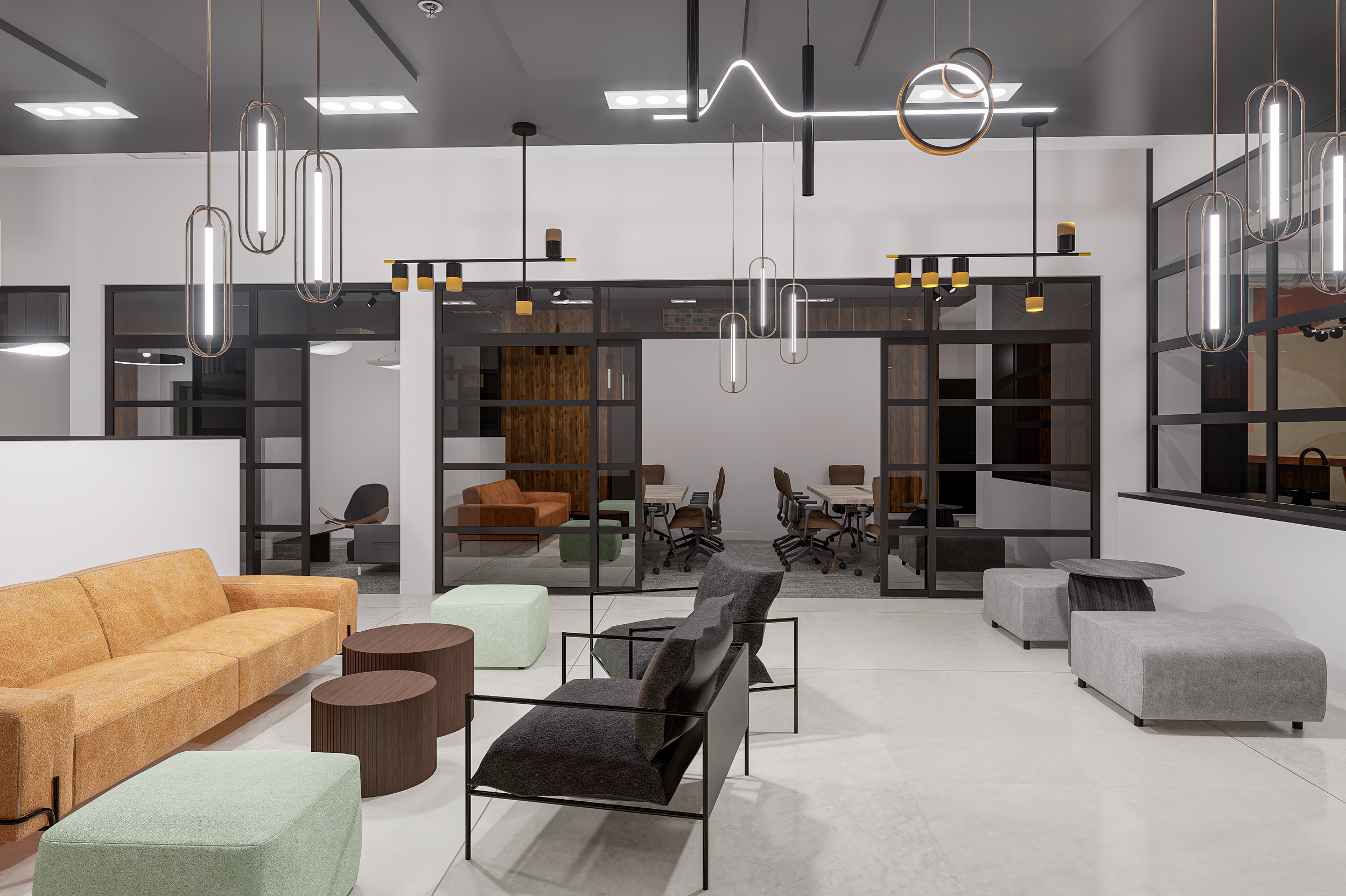
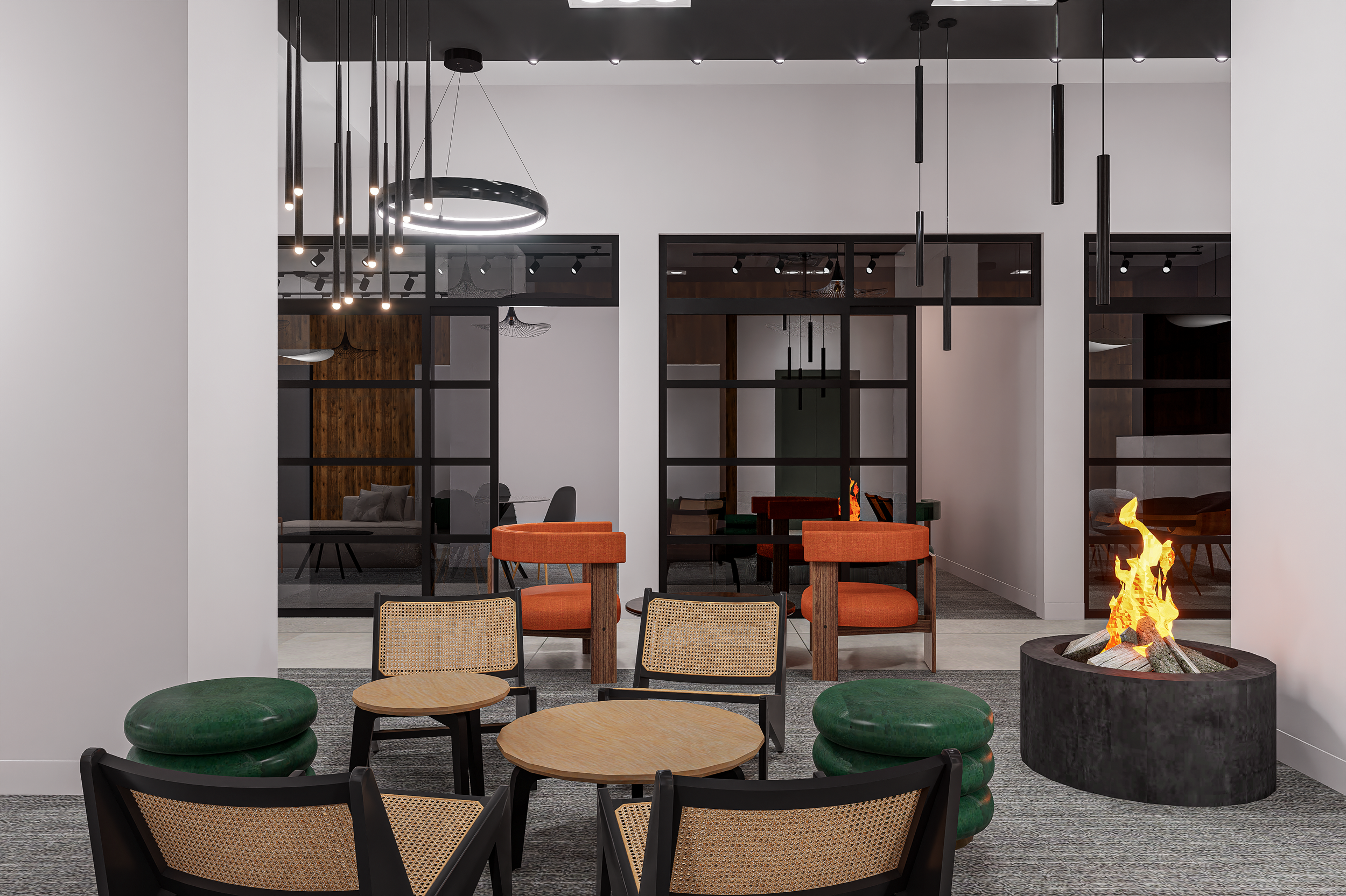
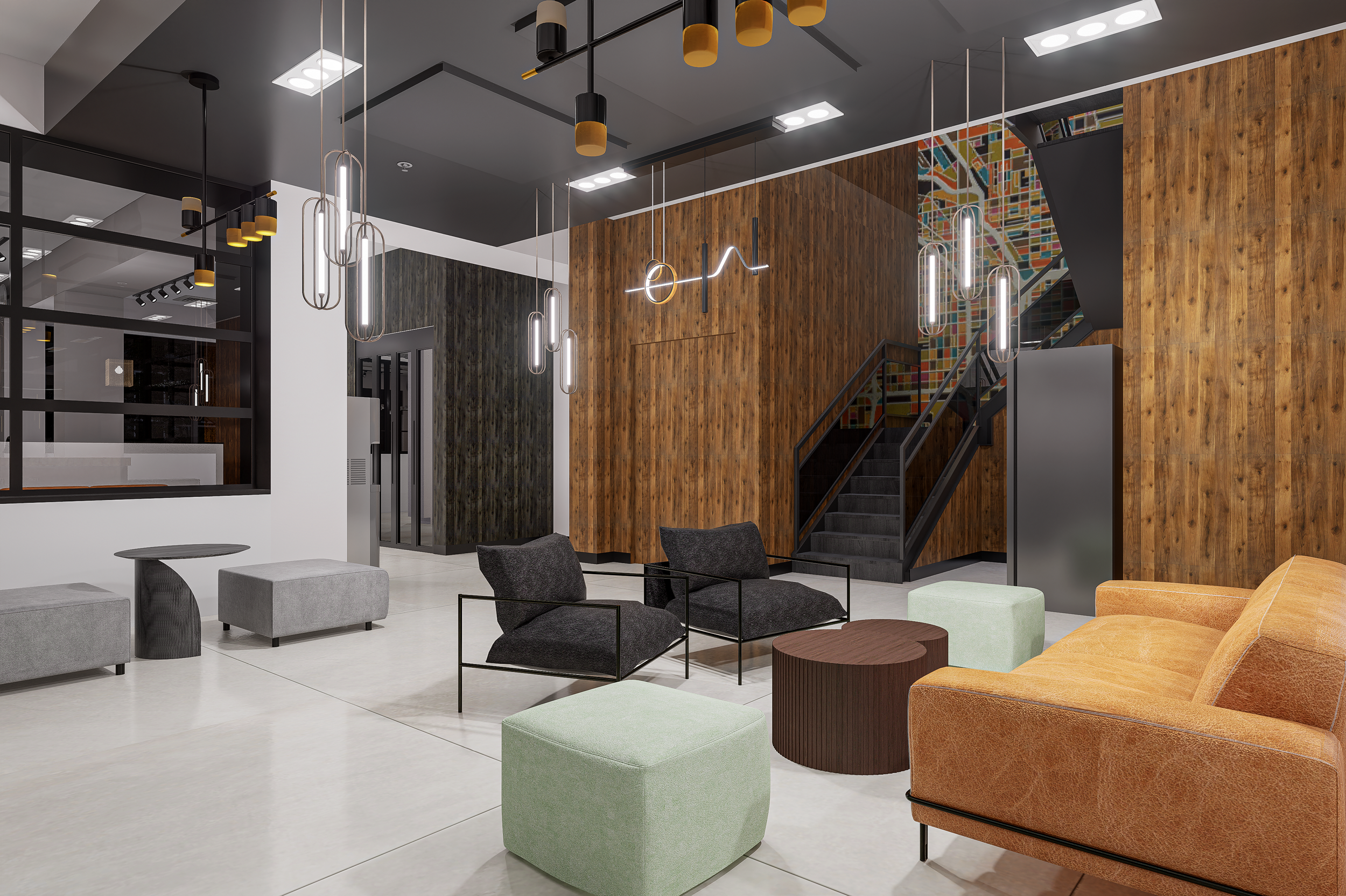
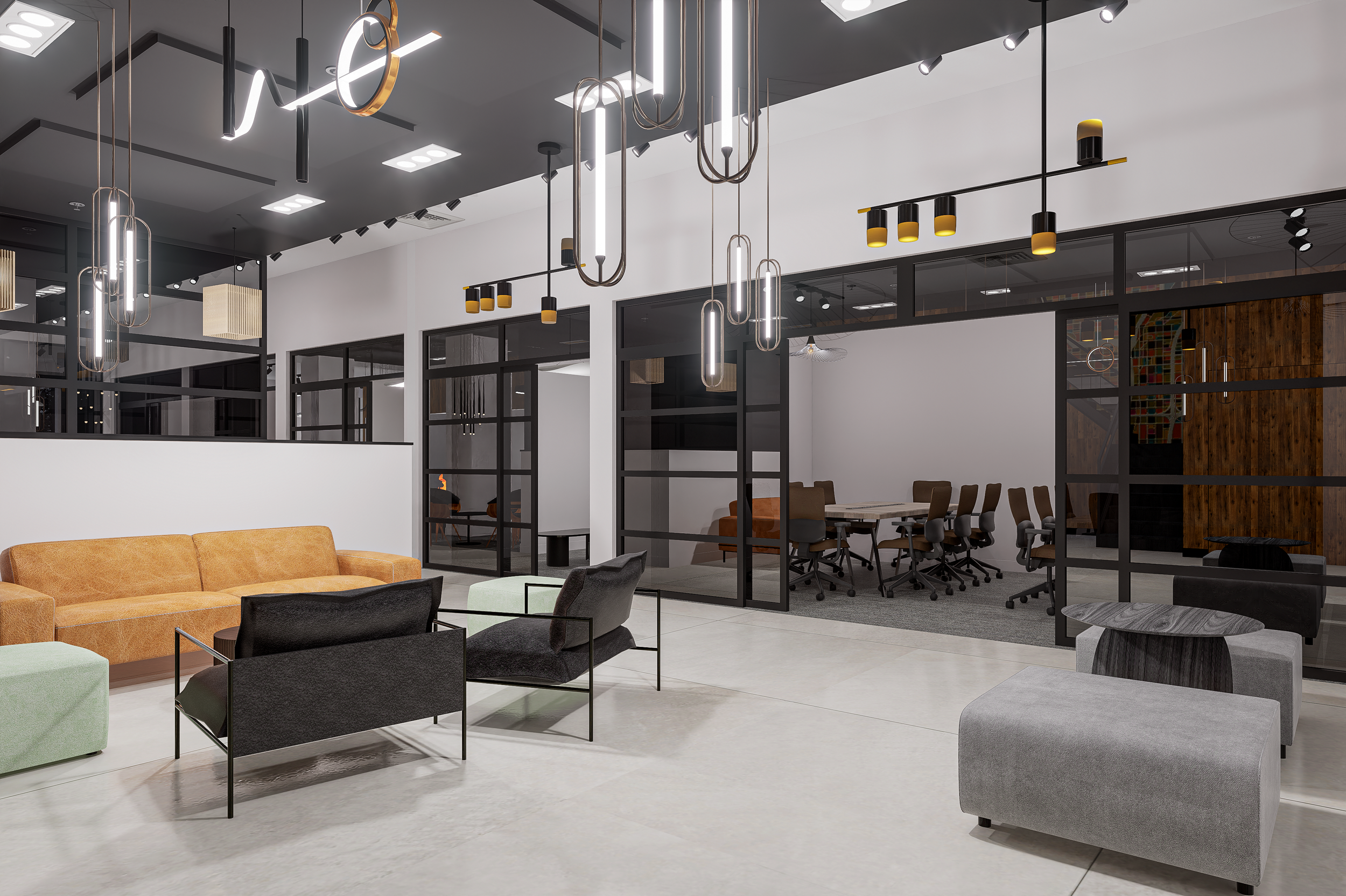
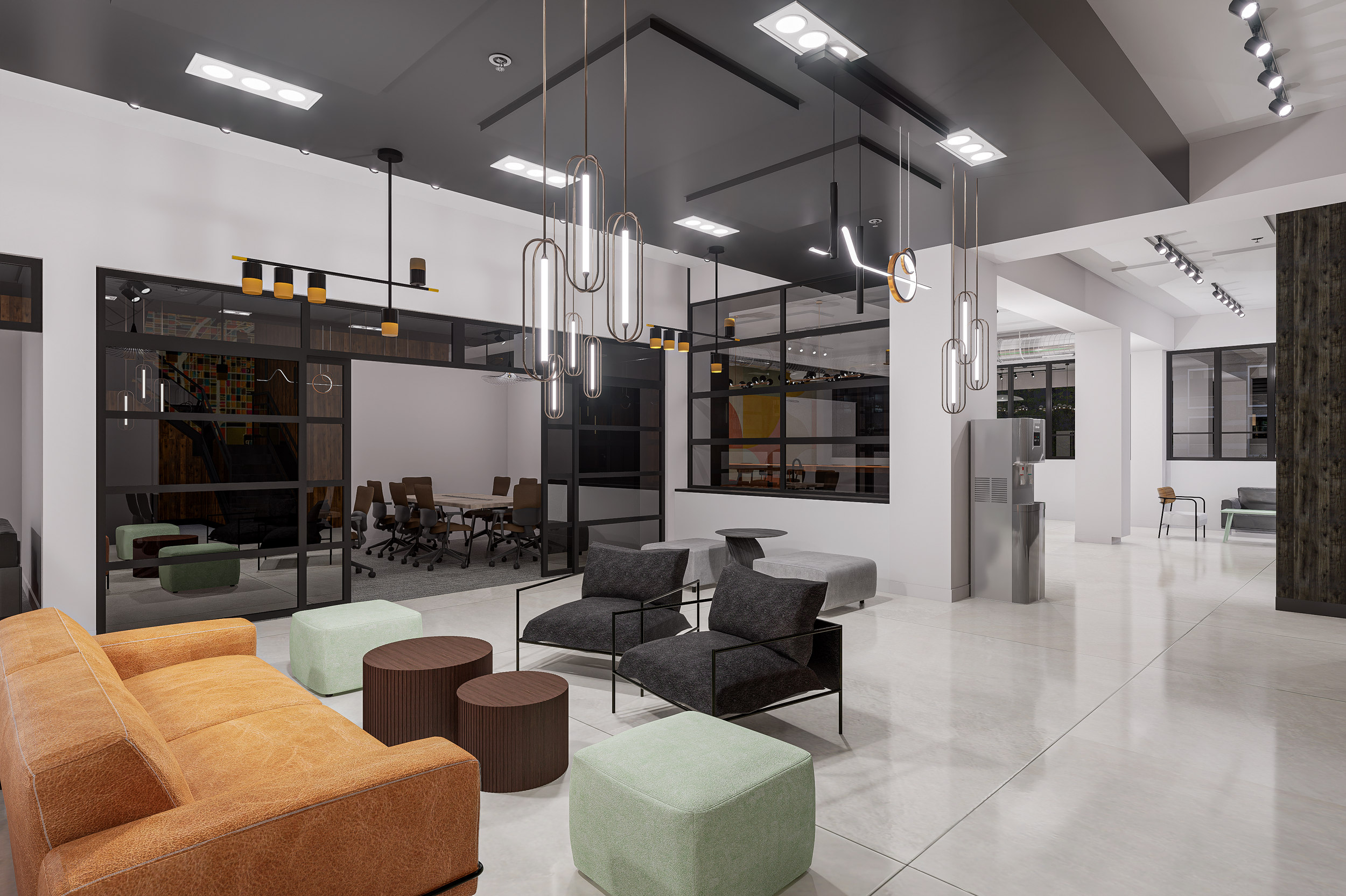
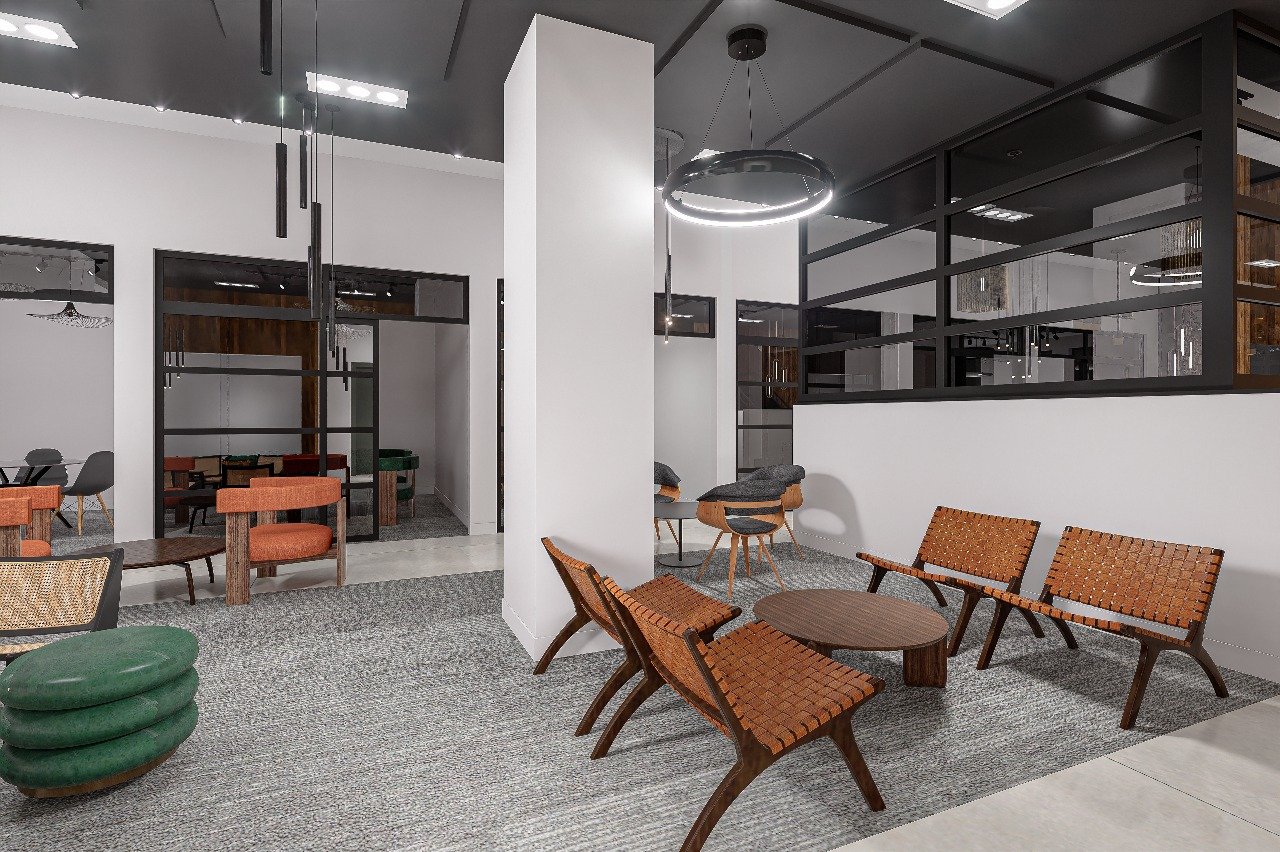
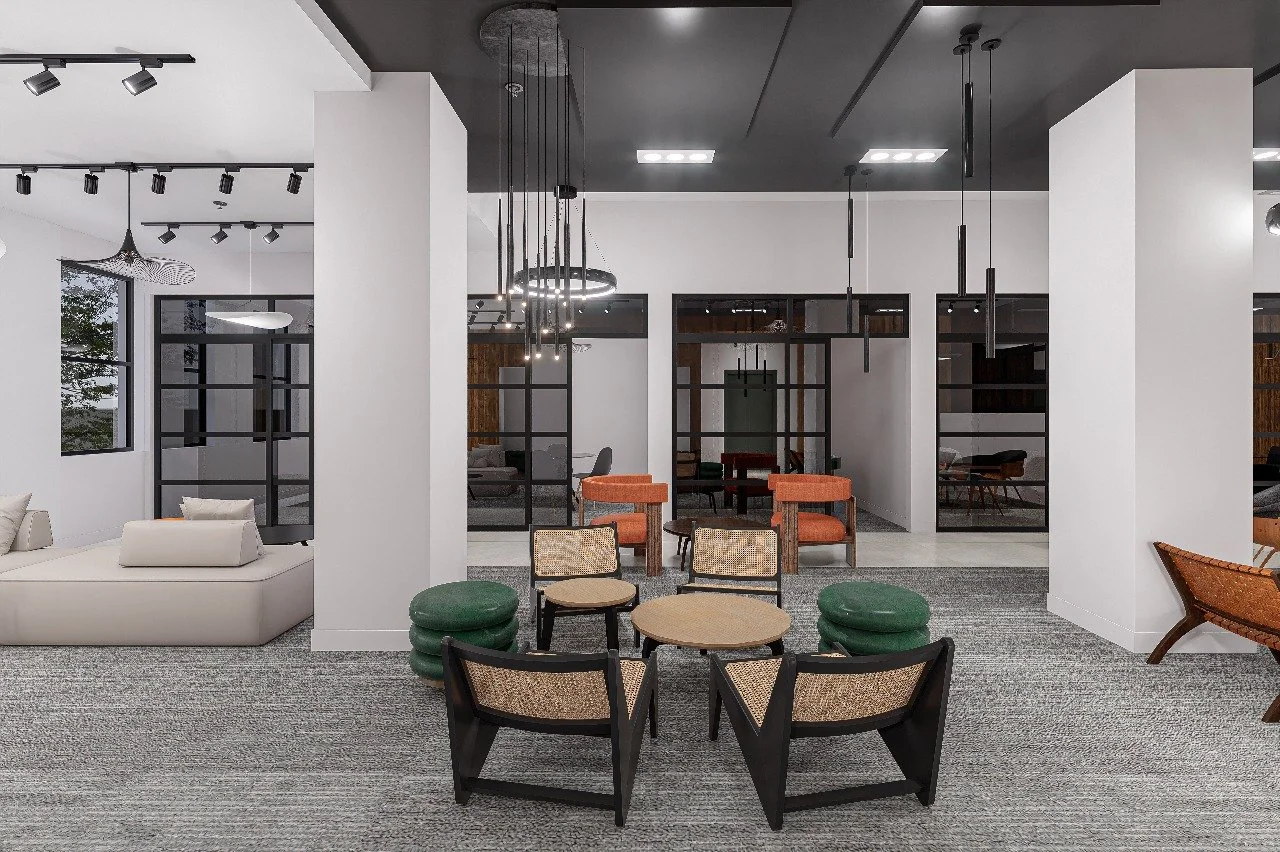
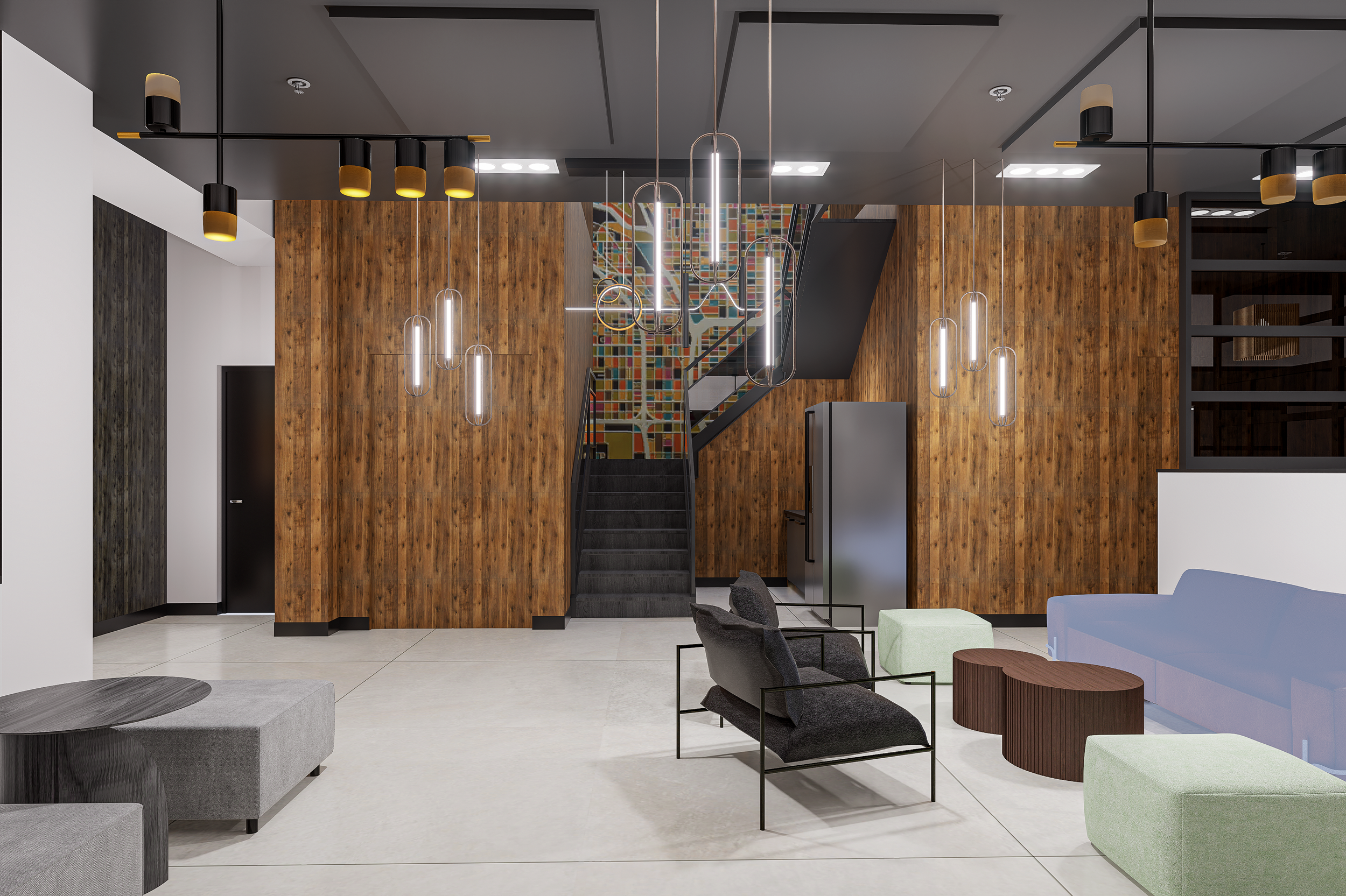
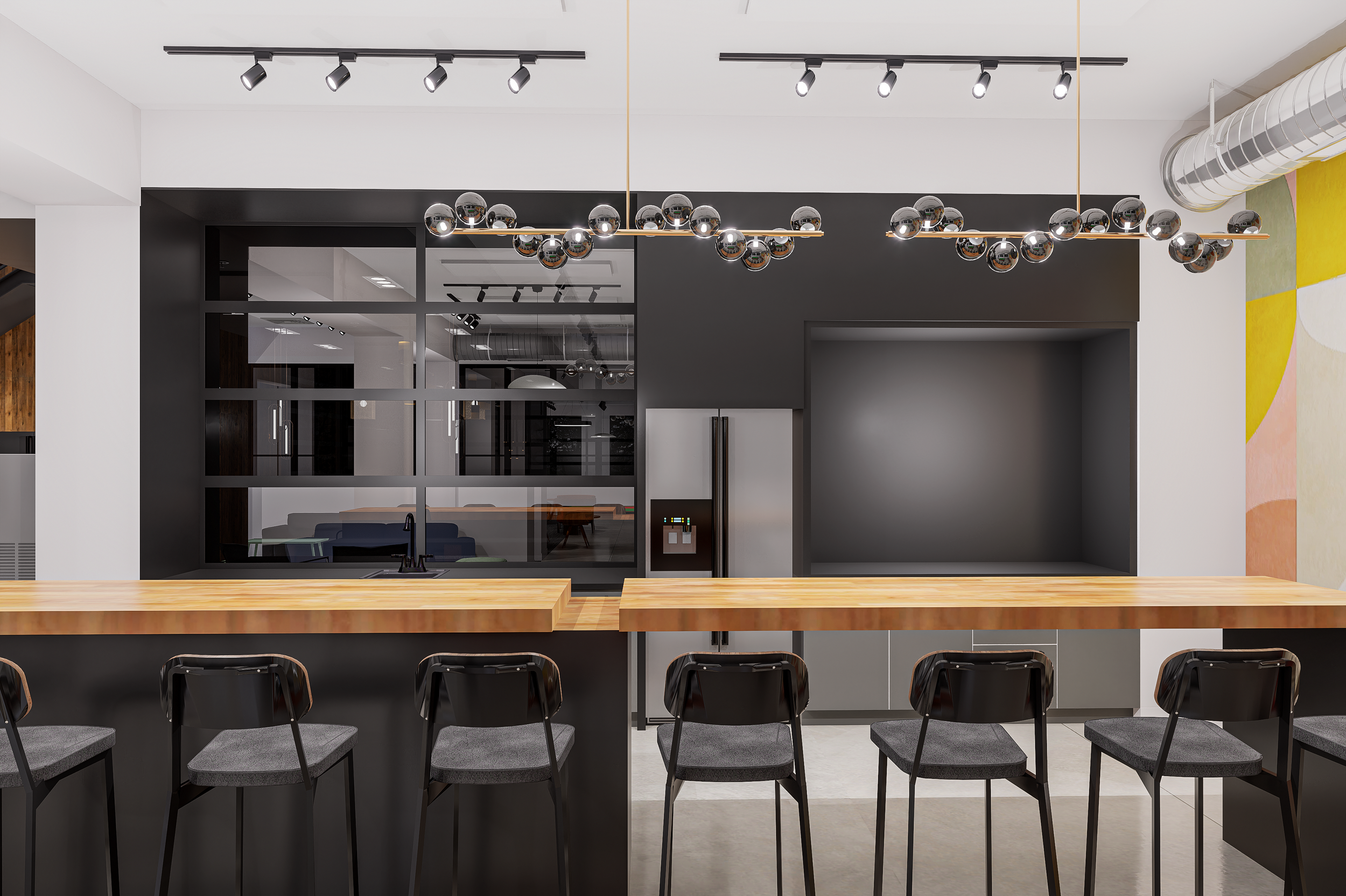
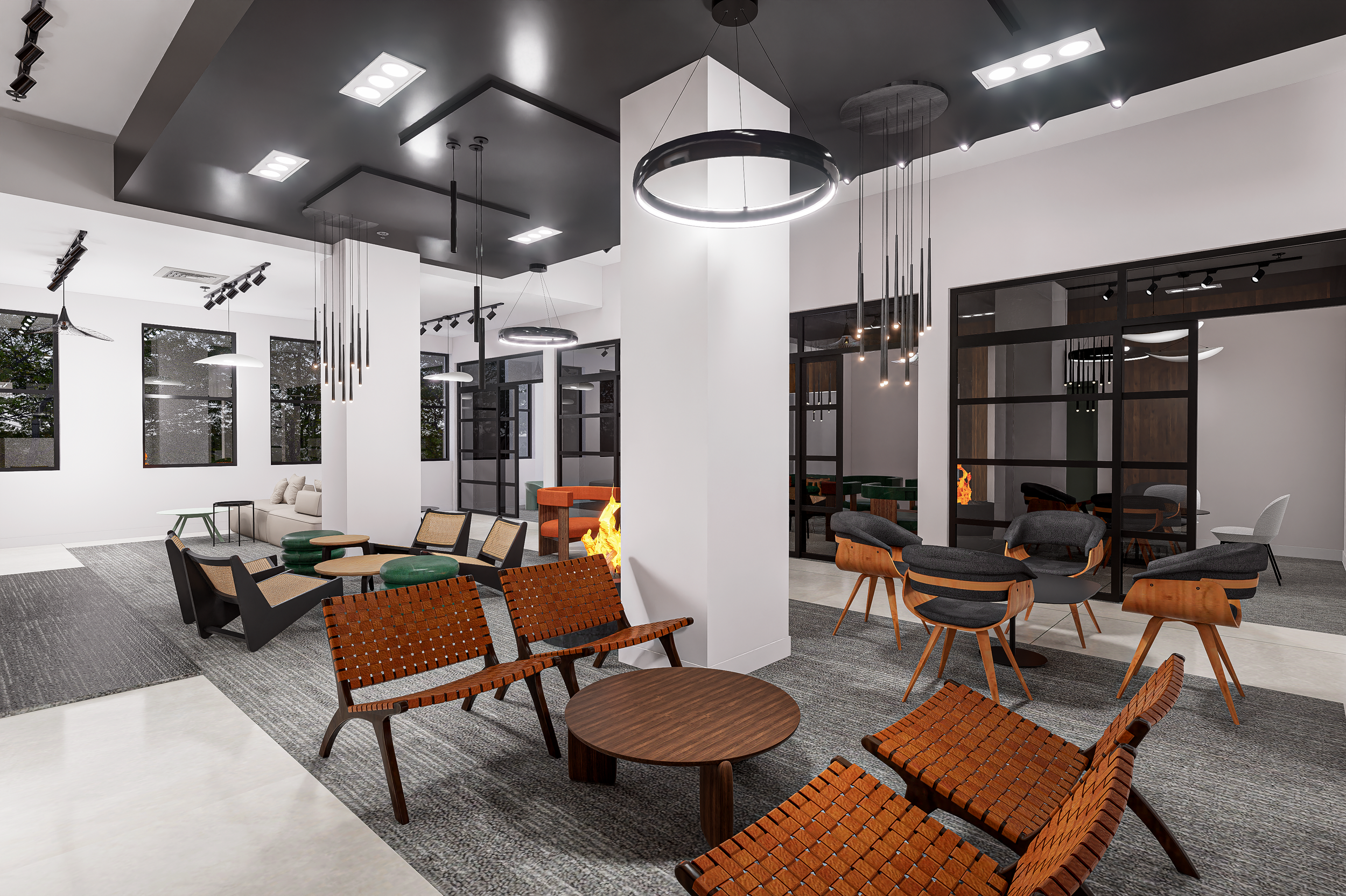
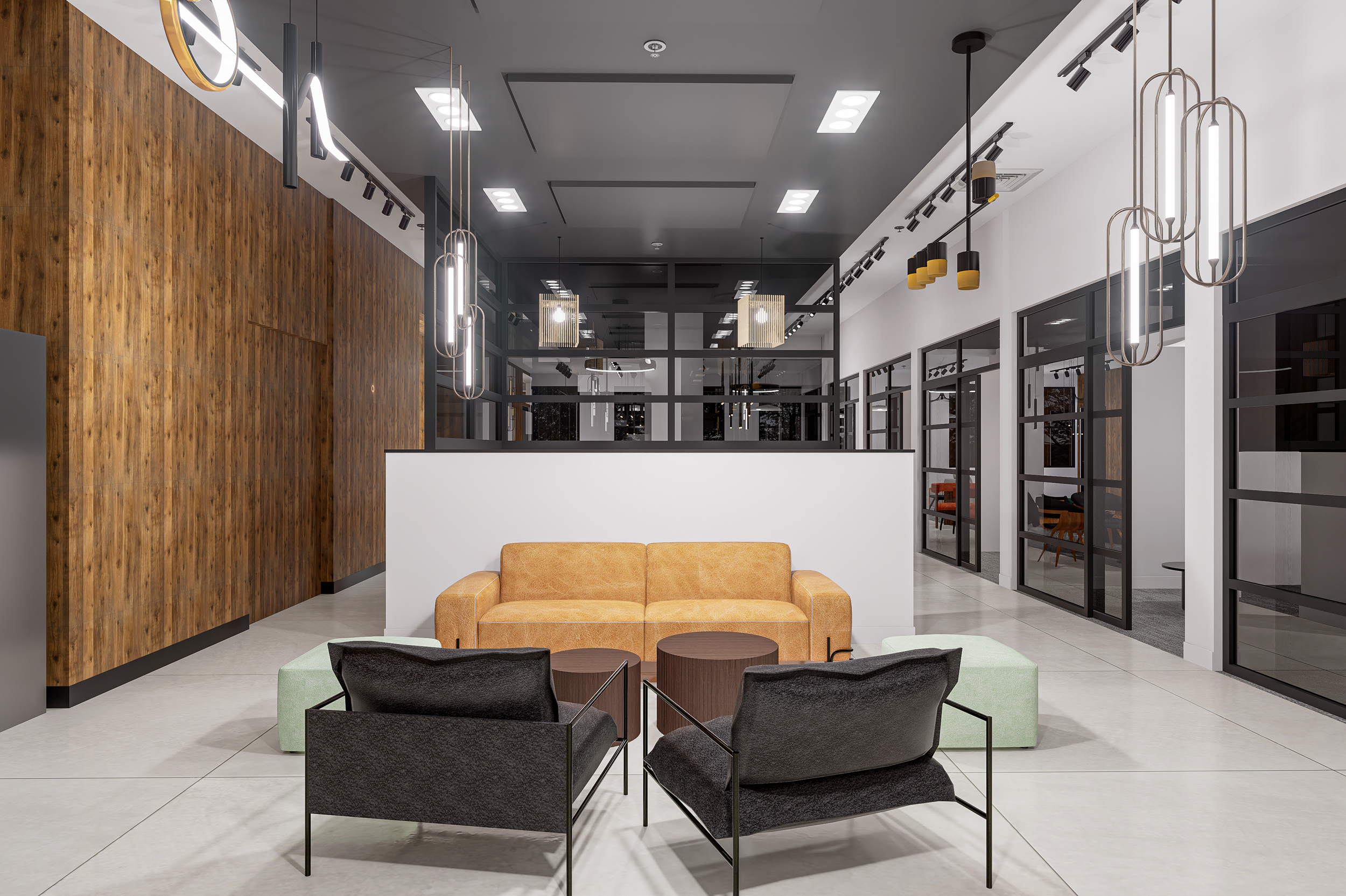
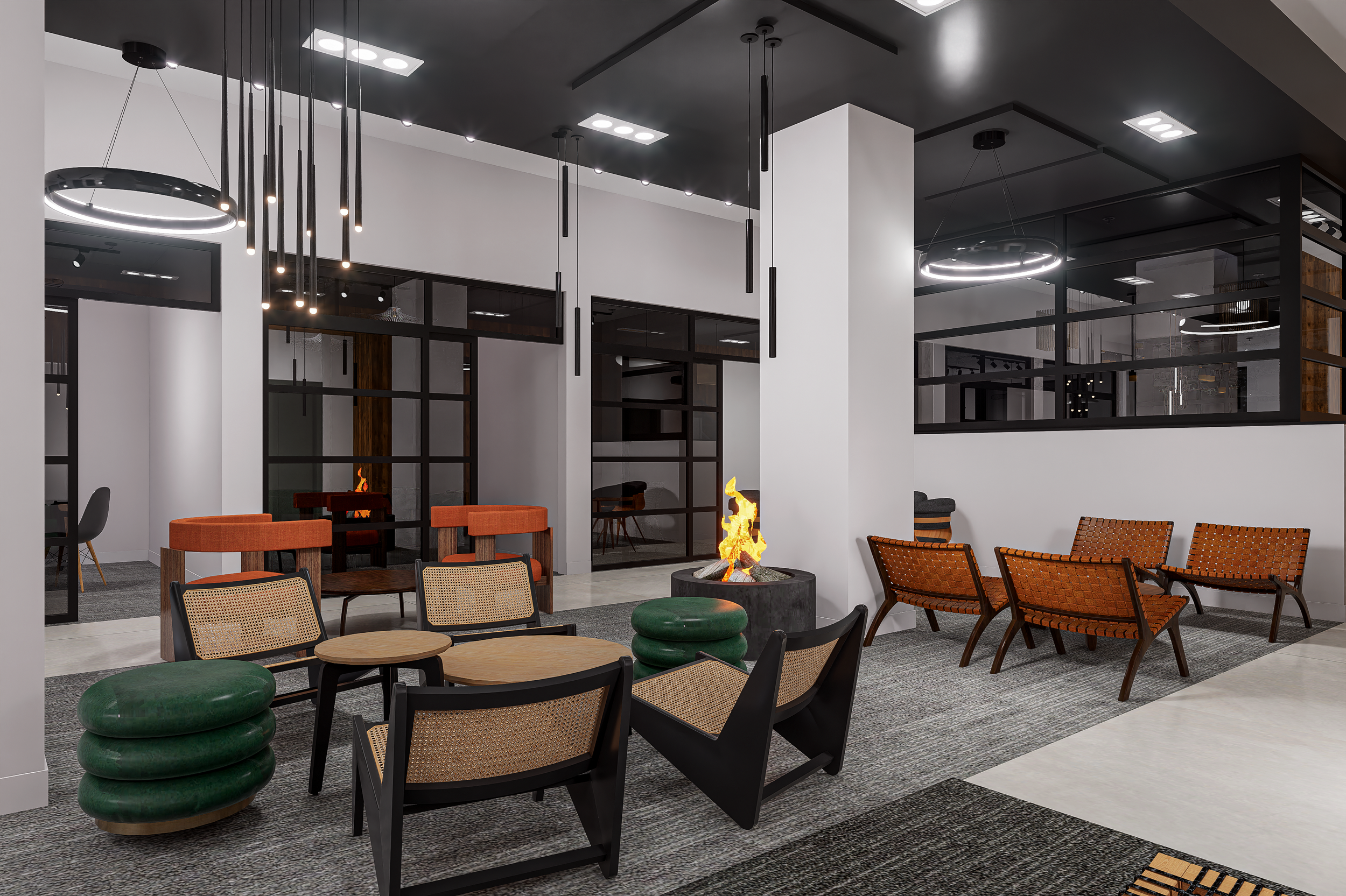
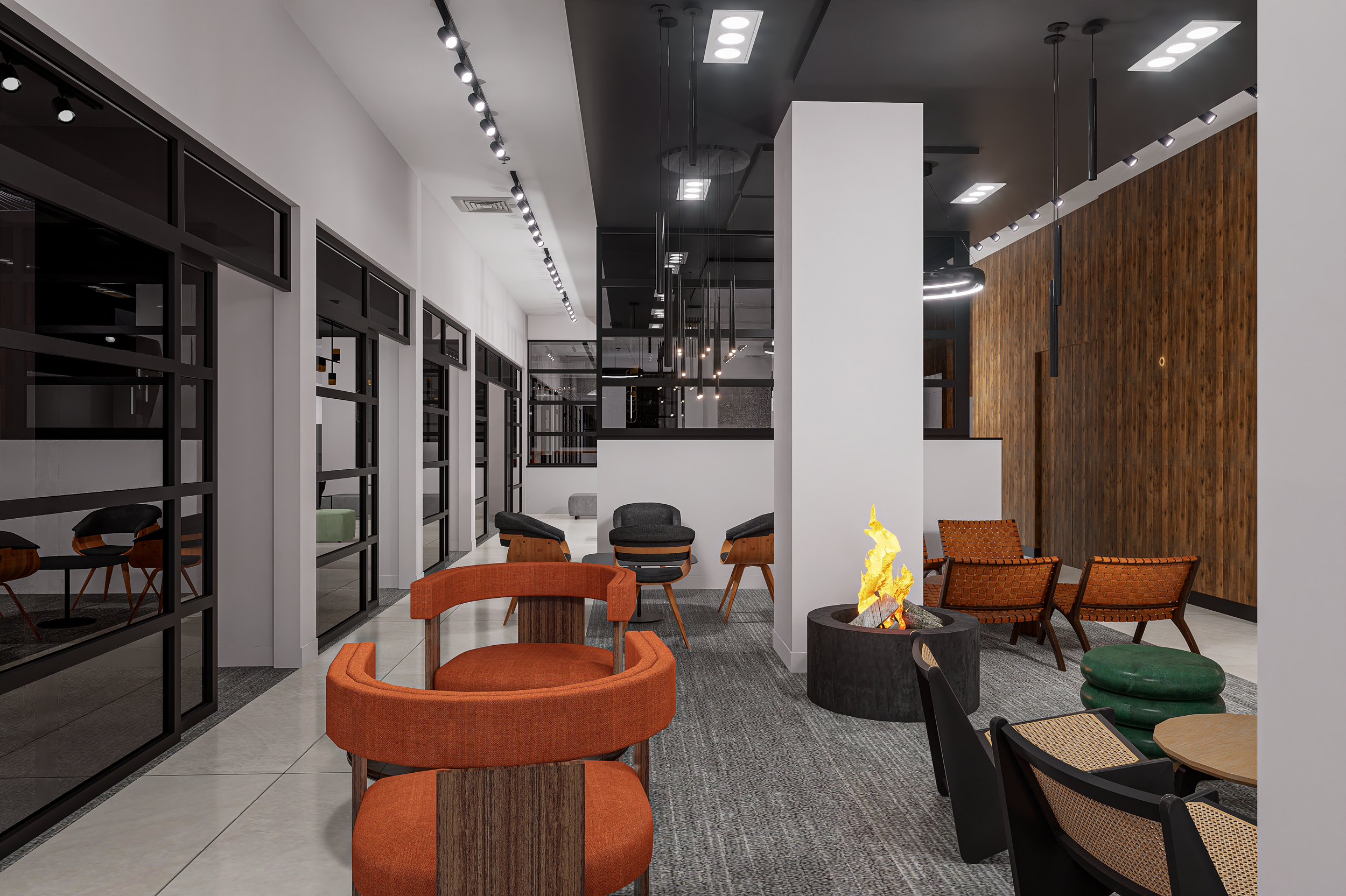
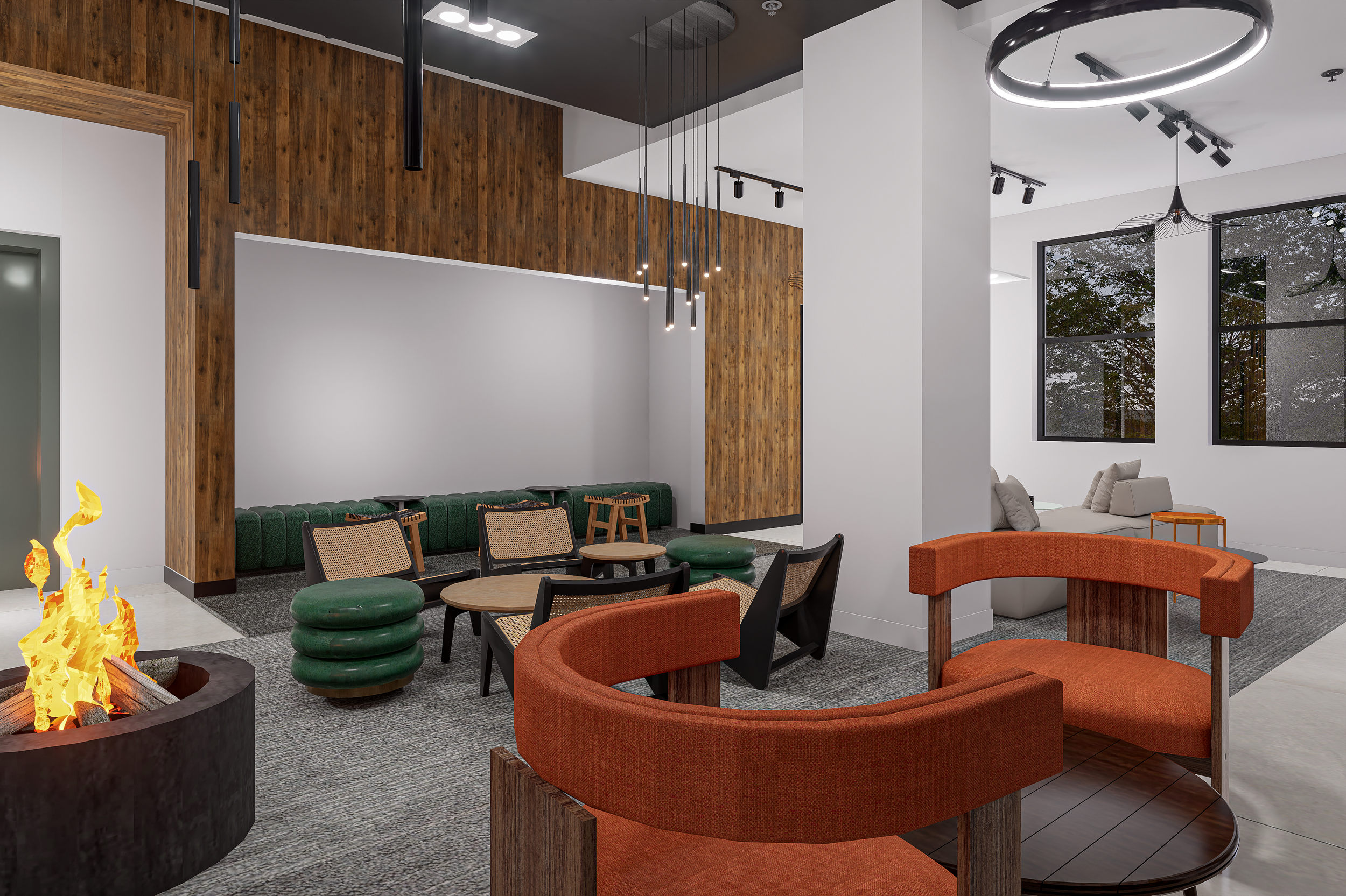
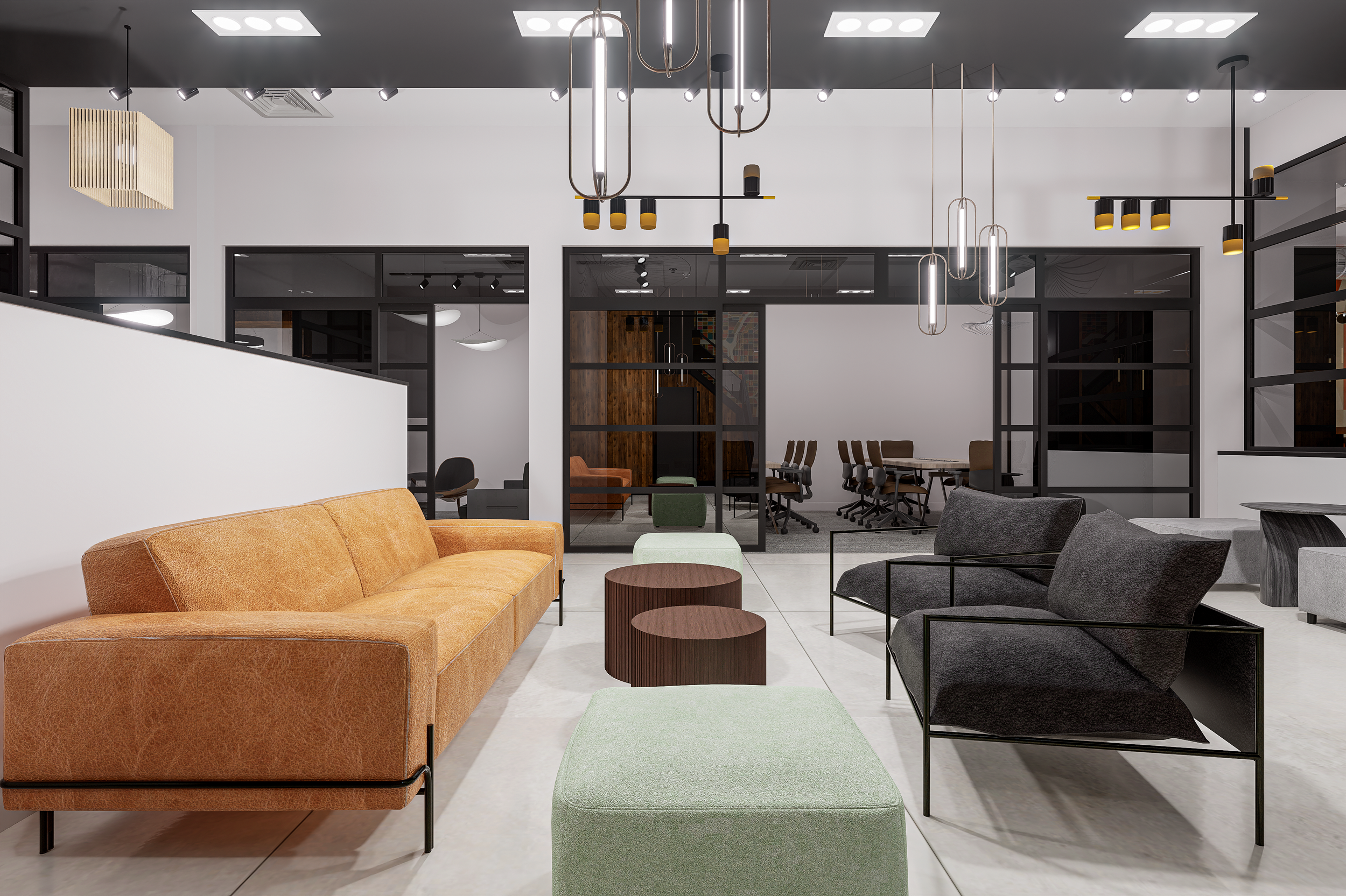
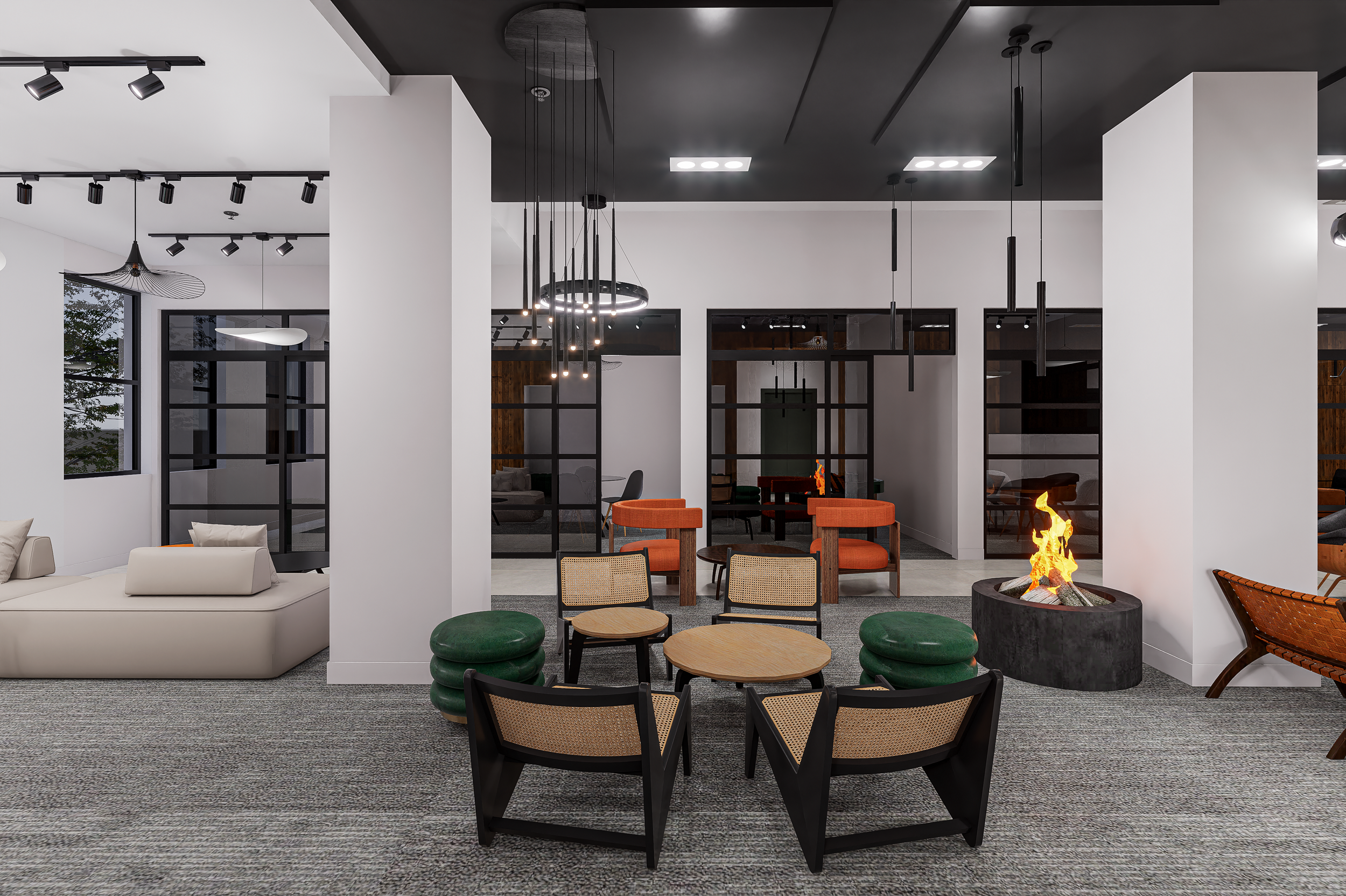
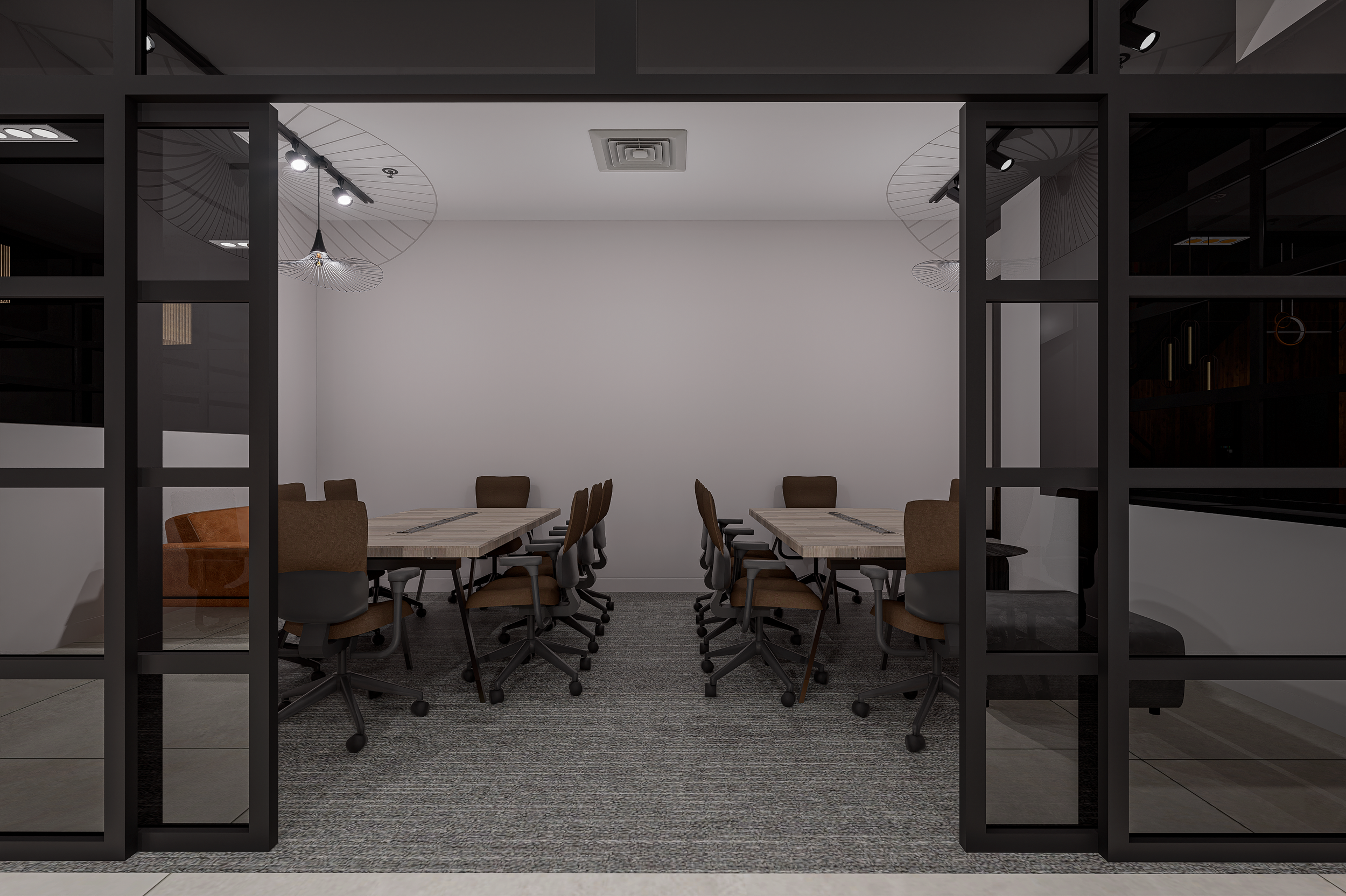
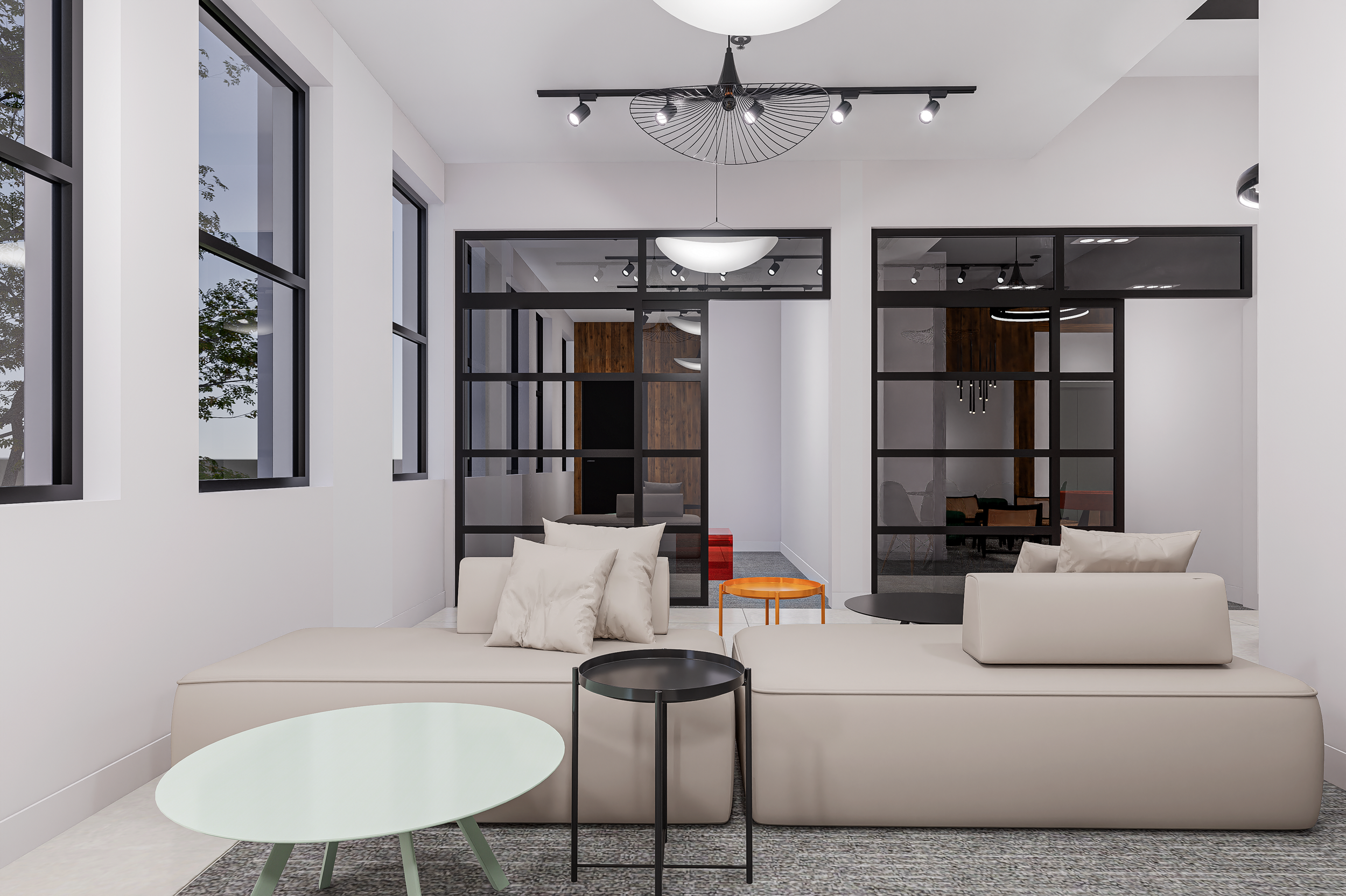
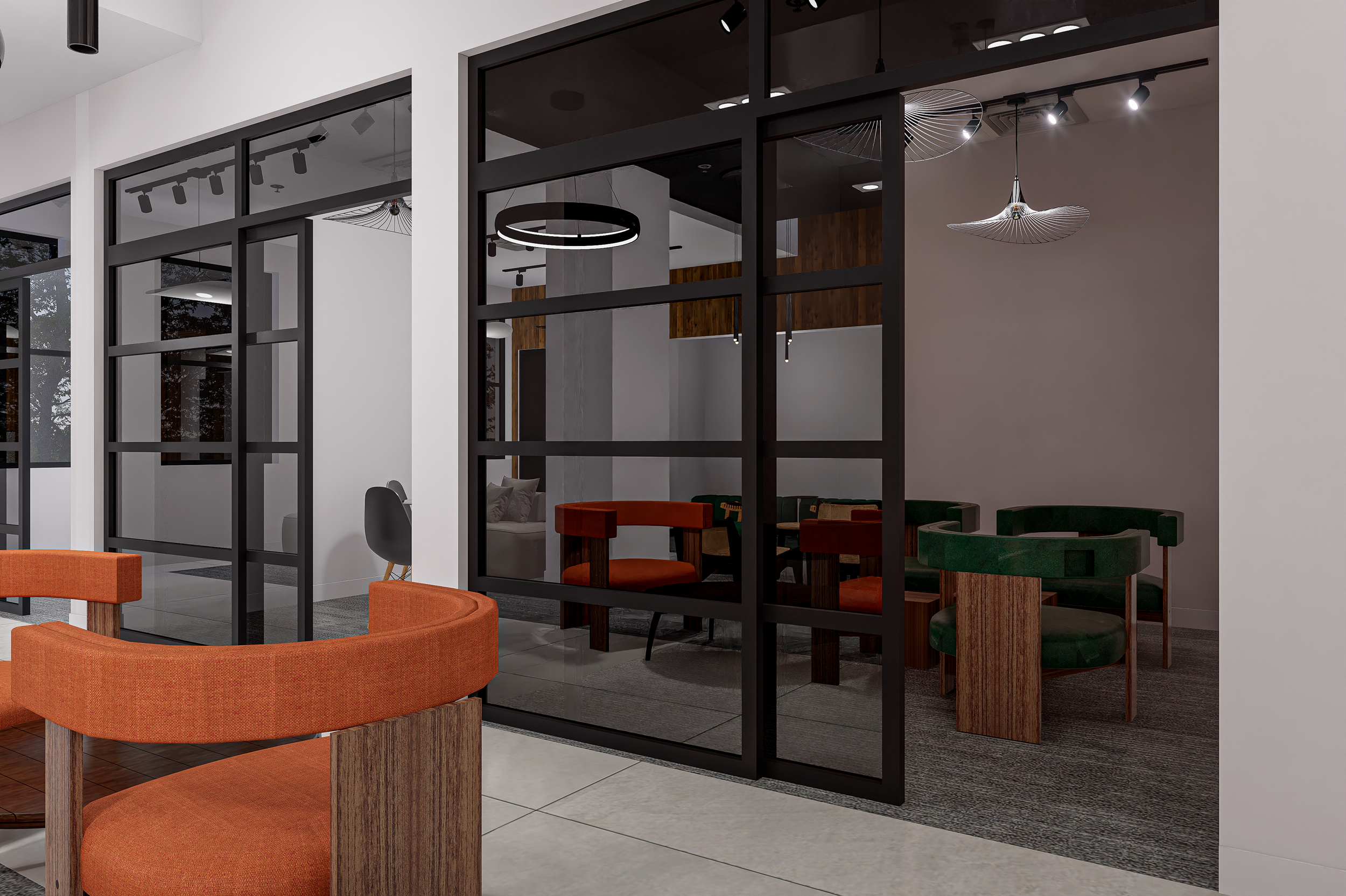
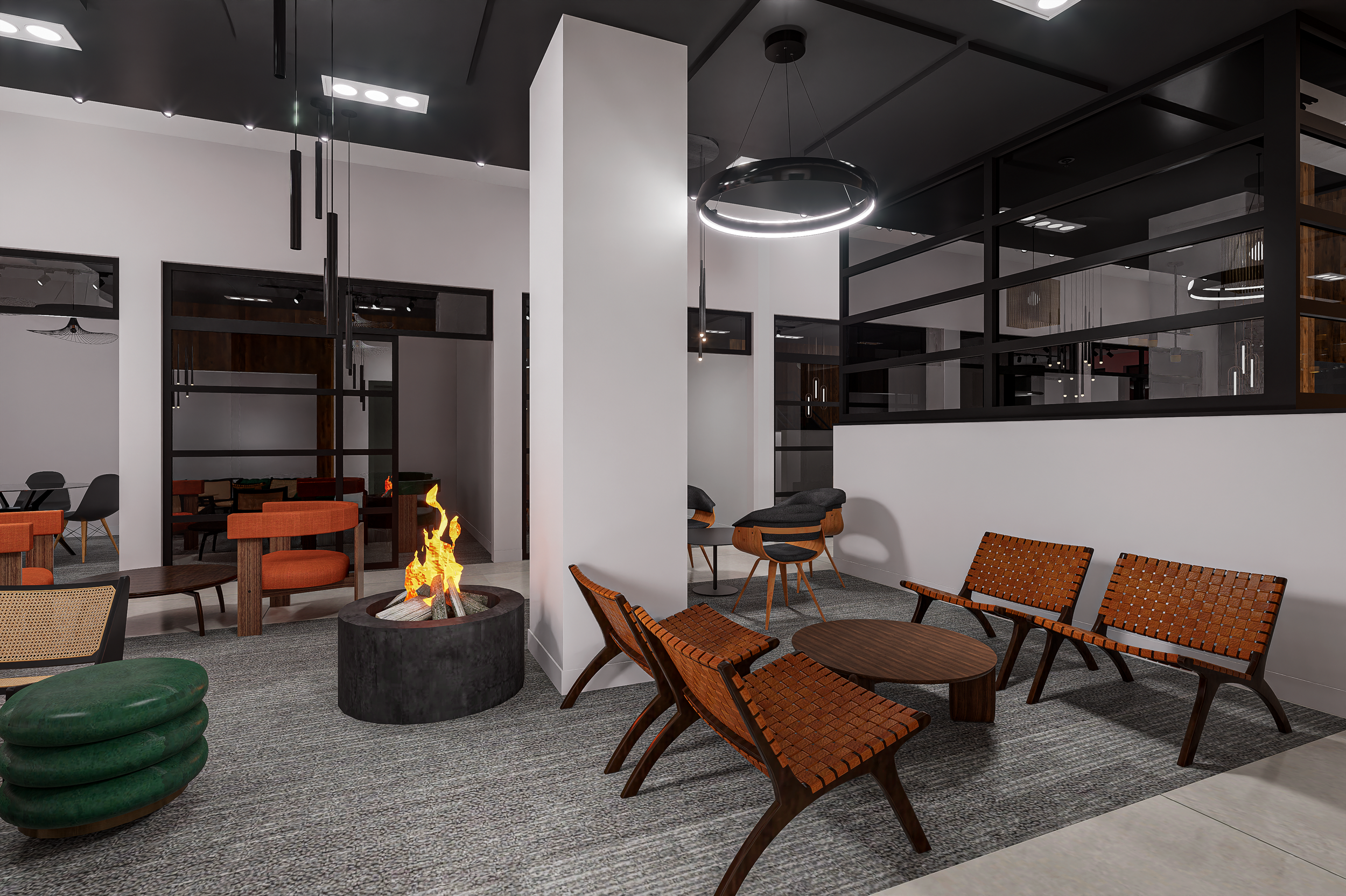
The 4th floor at Three City Social was designed with a different energy. While the 5th floor focuses on social connection and lounge culture, the 4th floor is built around productivity, collaboration, and focused work. This level operates as a professional co-working environment—structured, efficient, and thoughtfully layered to support individuals and teams working side by side.
Interior Design Strategy for Co-Working Spaces
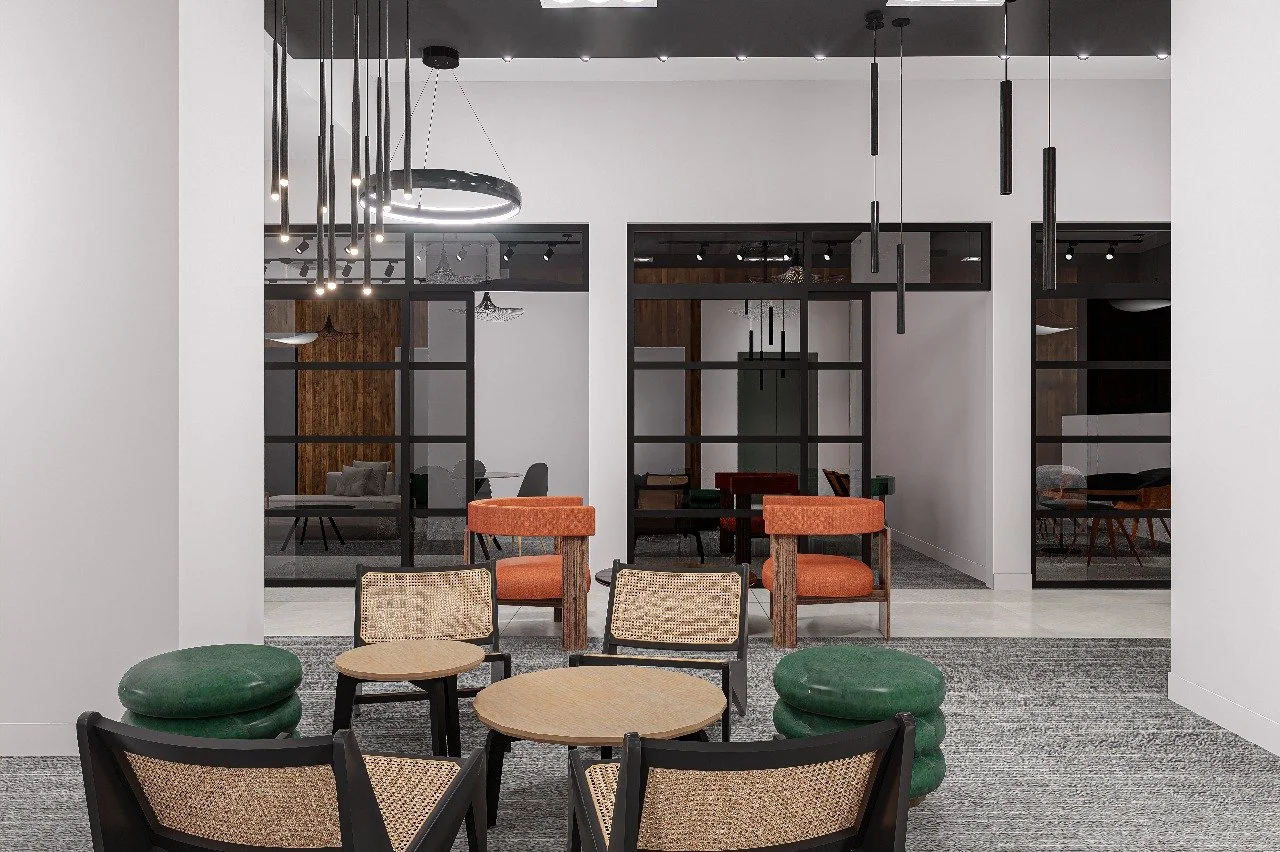
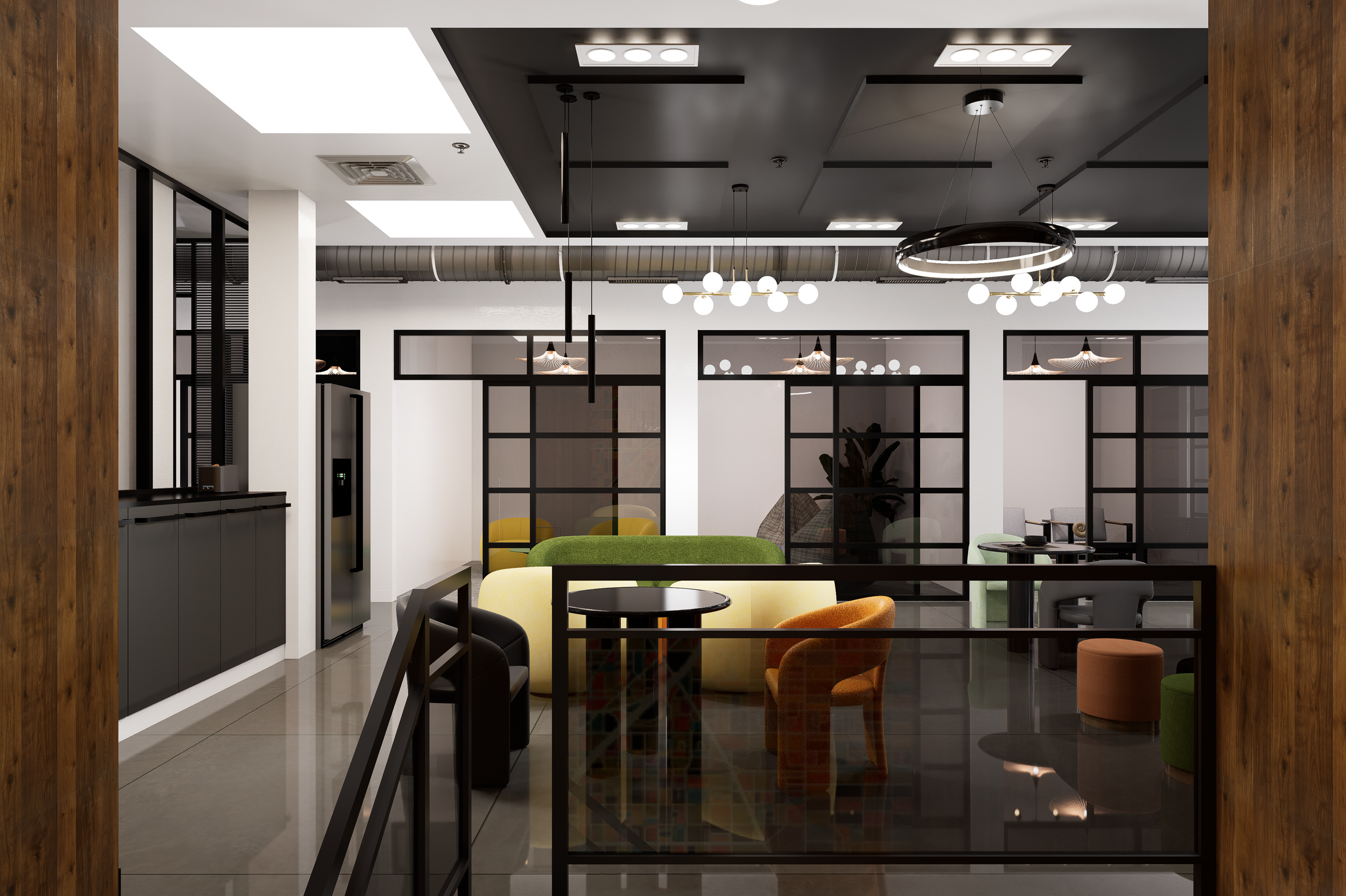
Designing a co-working floor requires a precise balance between openness and privacy. The interior design execution on the 4th floor introduces architectural framing through black steel and glass partitions to create visual structure without closing off space. Transparency was intentional. Professionals remain connected to the energy of the floor while still benefiting from acoustic separation.
The layout supports multiple work modes:
Communal & private workstations
Dedicated conference rooms
Small meeting lounges
Private conversation areas
Casual collaborative seating zones
Every zone was mapped strategically to encourage natural circulation while avoiding congestion—critical for high-functioning co-working spaces.
Architectural Framing and Material Direction
Warm wood wall cladding introduces depth and professionalism, grounding the space visually. Against it, black framing systems and matte finishes add clarity and structure. The result is a modern interior design language that feels confident and cohesive.
Lighting plays a defining role in execution. Linear pendants, sculptural fixtures, and track lighting were layered to support task visibility while creating architectural interest overhead. In co-working environments, lighting must do more than illuminate—it must reduce fatigue, define zones, and visually organize the ceiling plane.
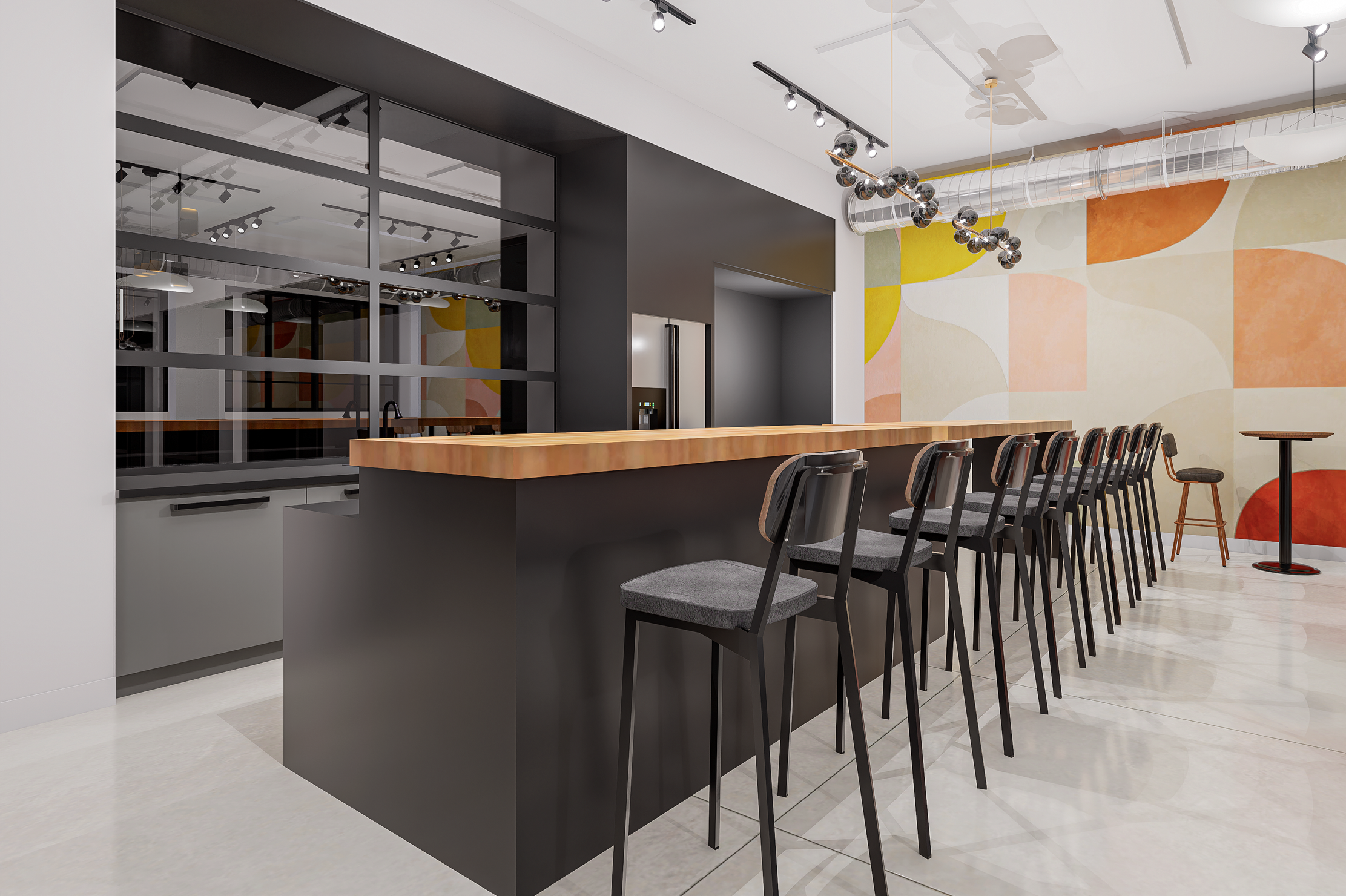
The long communal counters with wood tops and integrated seating create a collaborative anchor. These shared work bars are designed to encourage interaction among professionals—lawyers, entrepreneurs, consultants, creatives—who may work independently but benefit from proximity.
Designing for Productivity and Comfort
Interior design for professional co-working spaces must prioritize ergonomics. Conference rooms feature structured layouts with executive chairs, balanced lighting, and clear sightlines. The glass-enclosed meeting rooms allow teams to collaborate privately without disconnecting from the overall atmosphere.
Soft seating zones with upholstered armchairs and low tables provide informal meeting options. These areas create flexibility—members can shift from formal boardroom discussions to relaxed brainstorming sessions within steps.
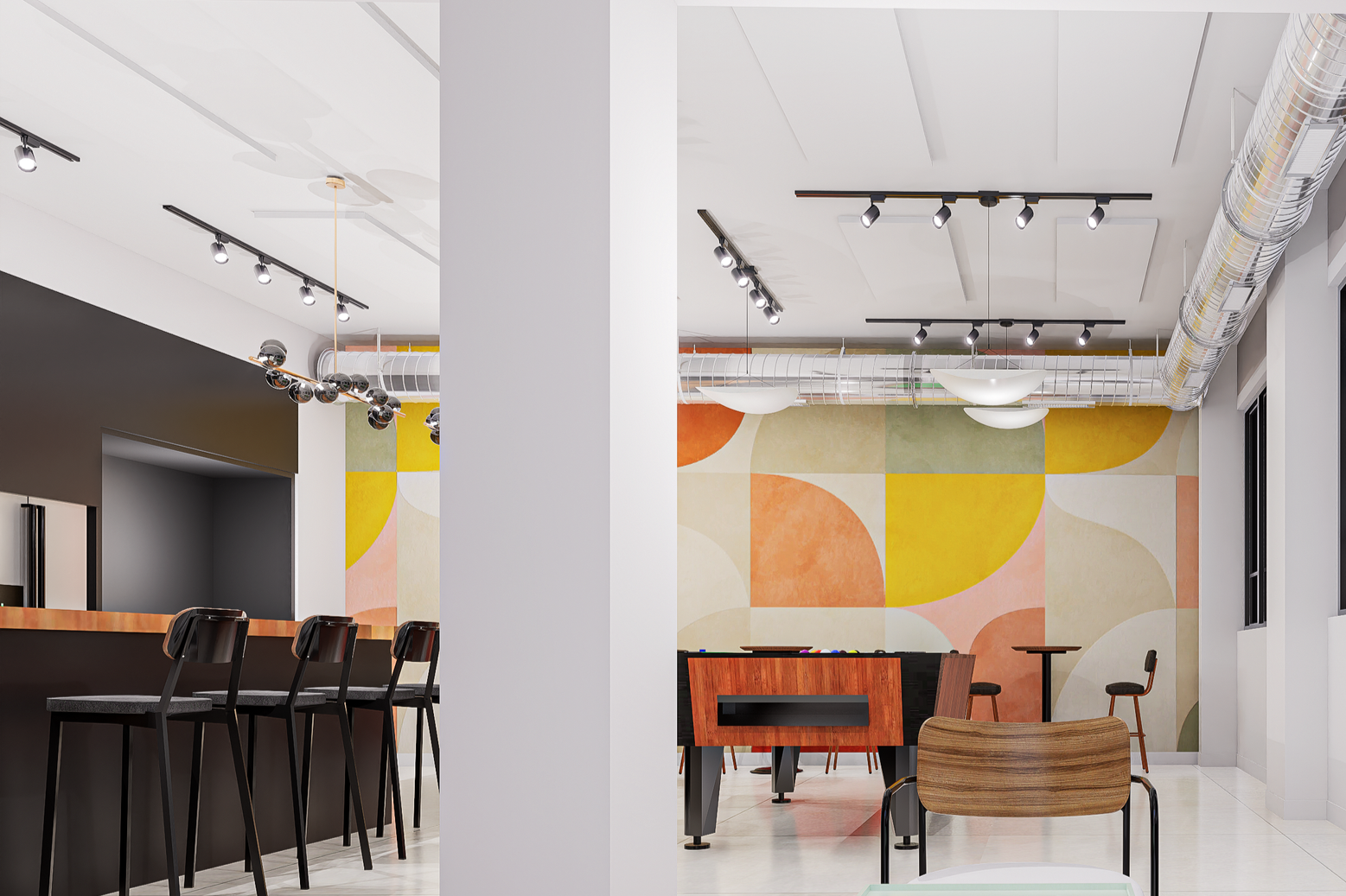
Even the integration of recreational elements, such as the billiards area, was intentional. In modern co-working design, moments of decompression are not distractions—they support creativity and relationship building. By placing these elements within the overall design language, the space maintains professionalism while encouraging connection.
Color, Geometry, and Energy
The 4th floor introduces a more dynamic color story in key areas, including the mural feature wall near the collaborative zone. Geometric curves and warm tones add movement and identity without overpowering the professional atmosphere.
Ceiling compositions with suspended linear fixtures and layered lighting details create visual rhythm. The overhead design reinforces the architectural grid below, aligning with the steel framing and glass partitions.
This level was not designed to feel corporate or sterile. Instead, it blends structure with personality—an essential quality in contemporary co-working interior design.
Why Interior Design Is Critical for Co-Working Environments
Co-working spaces compete on experience. Professionals choose environments that support focus, networking, and brand alignment. Strong interior design directly impacts:
Member productivity
Collaboration efficiency
Professional perception
Retention rates
Space adaptability
A well-executed co-working interior design increases perceived value. It positions the space as more than rented desks—it becomes a curated professional ecosystem.
Interior Design Execution That Performs
The 4th floor at Three City Social demonstrates how thoughtful interior design execution transforms square footage into a high-performing professional environment. Architectural transparency, layered lighting, ergonomic furniture, and intentional zoning work together to create a space where professionals can thrive.
This is the power of strategic commercial interior design for co-working spaces: structure without rigidity, flexibility without chaos, and design that actively supports the way modern professionals work.
Year Completed: 2025