
Three Cities Social - 5th at Wicker Park
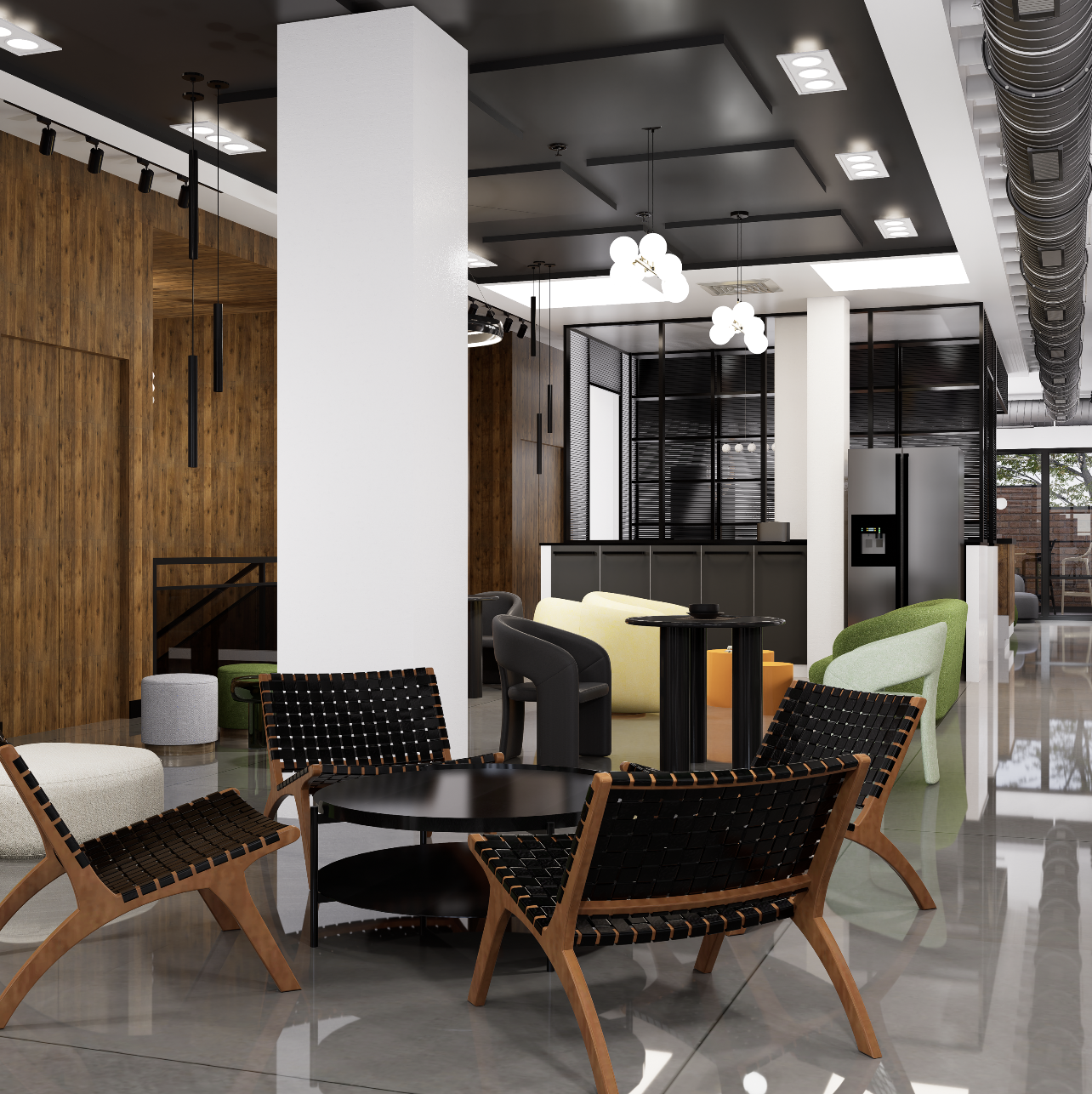
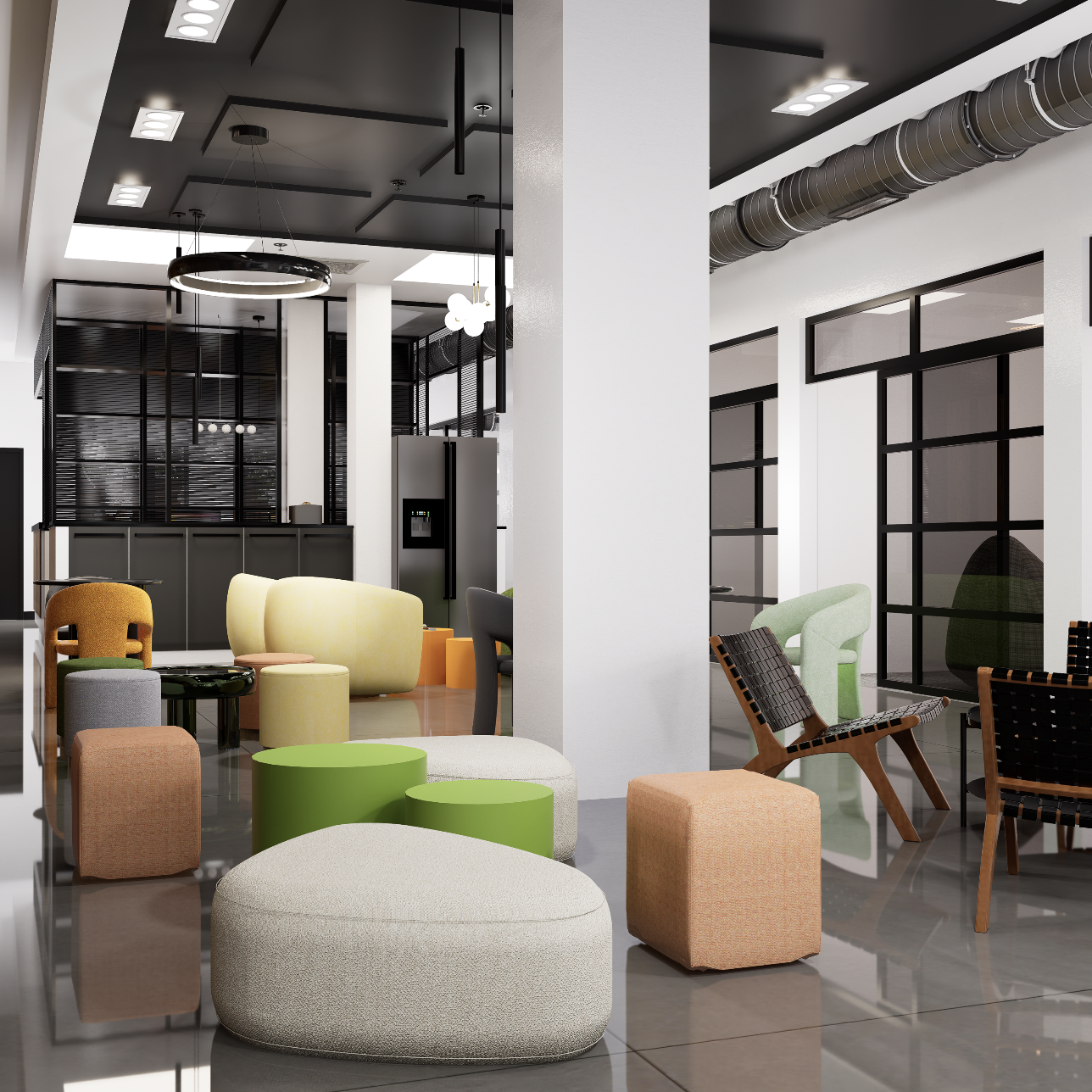
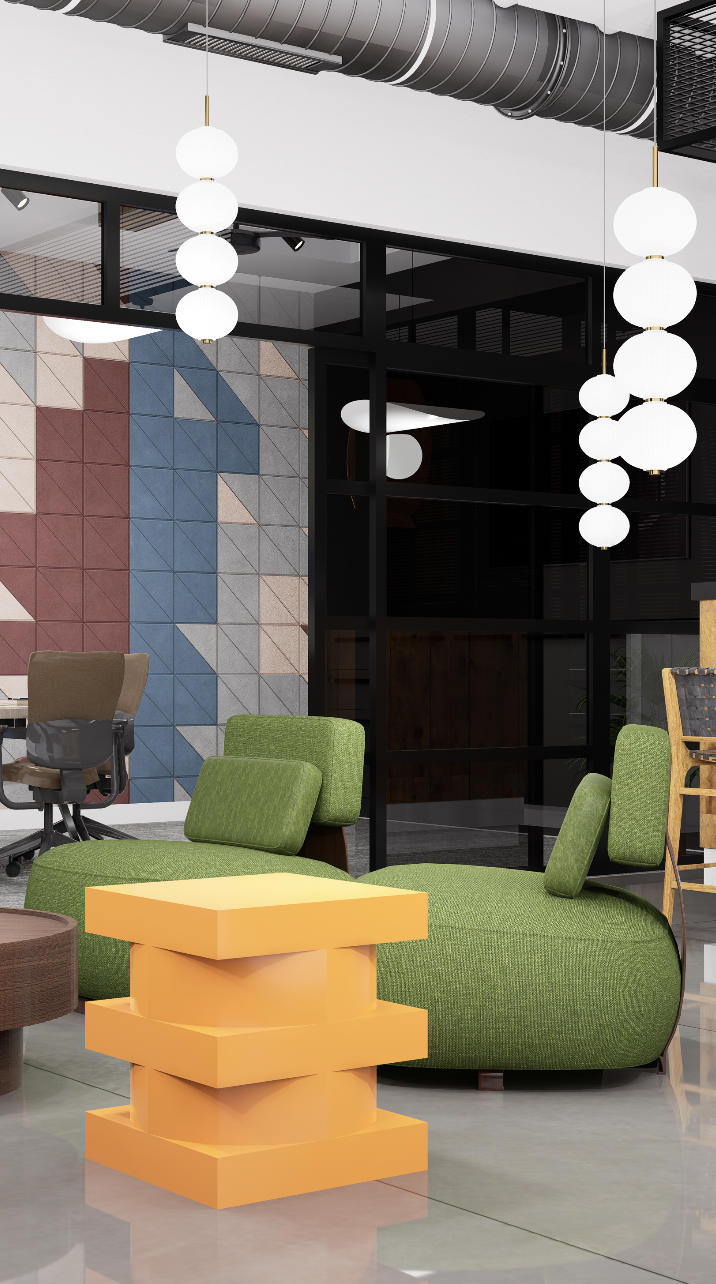
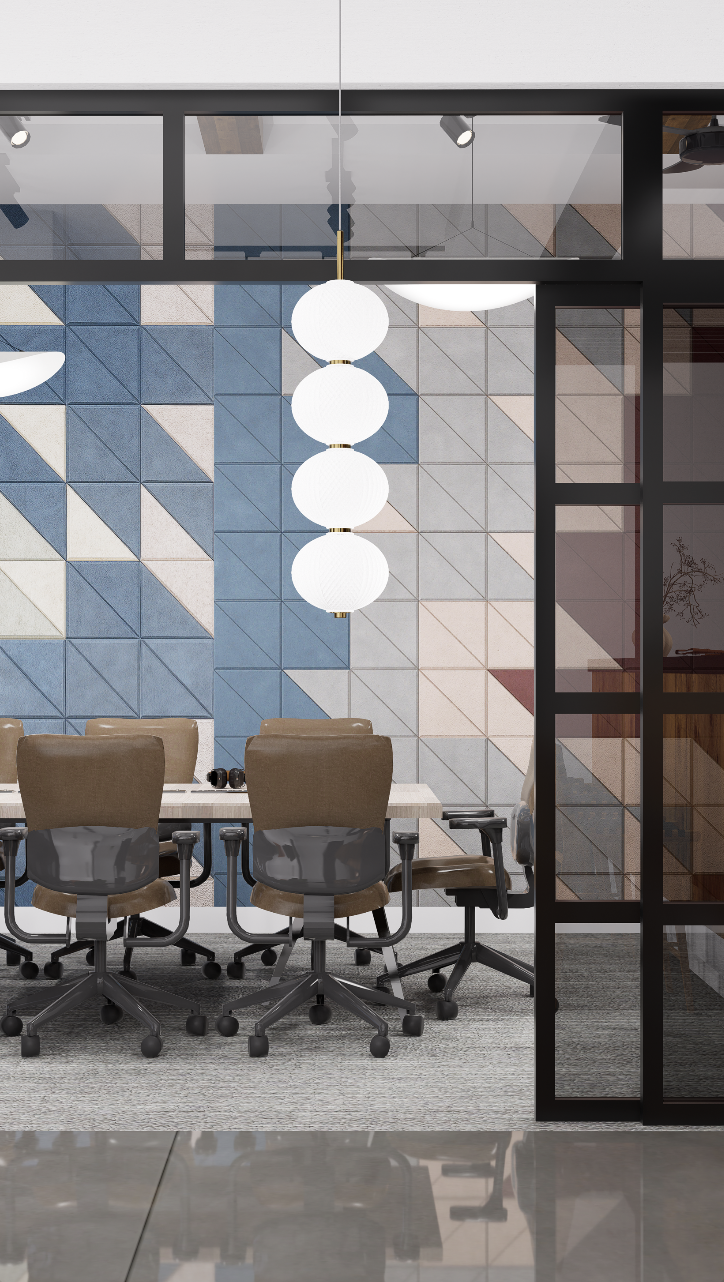
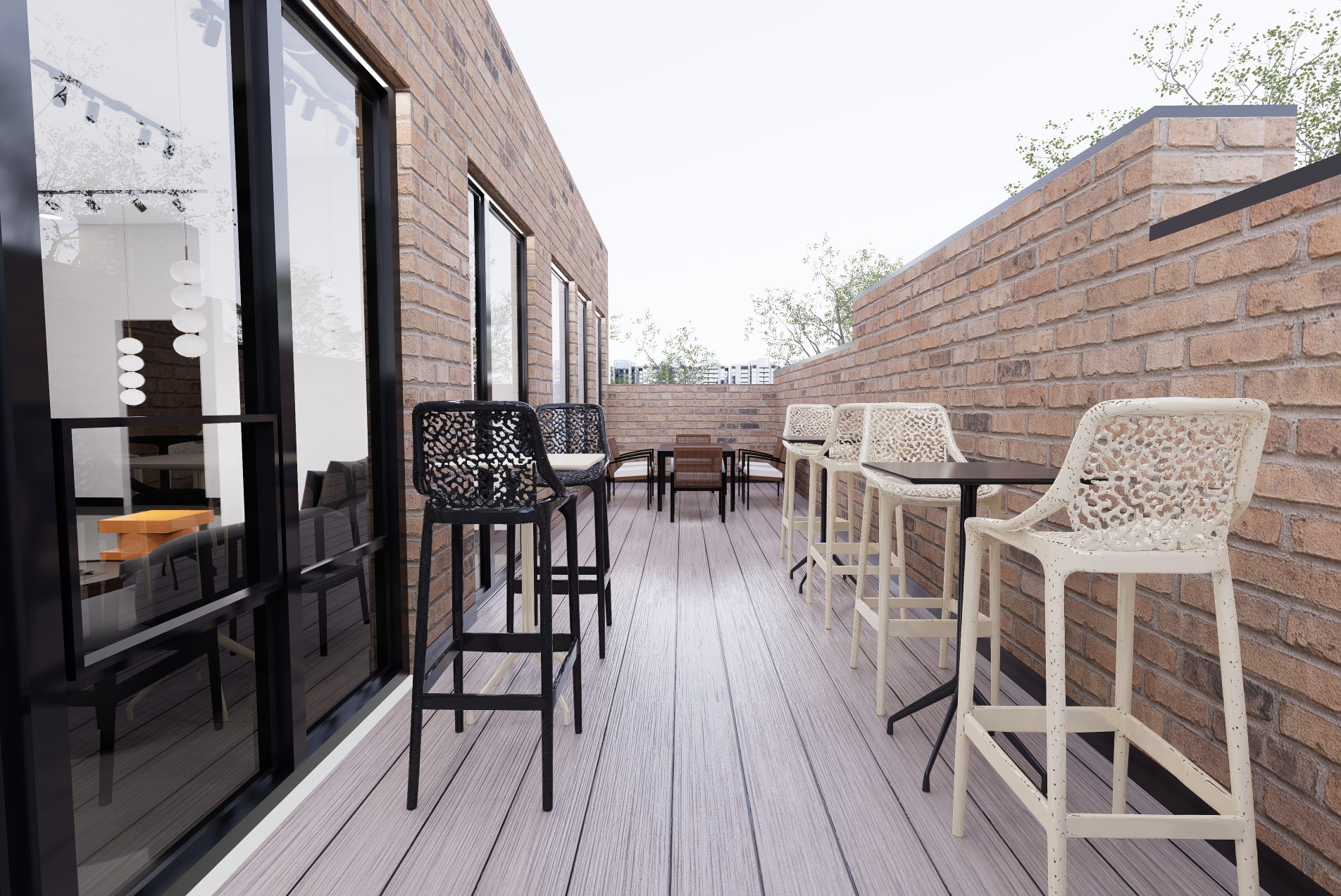
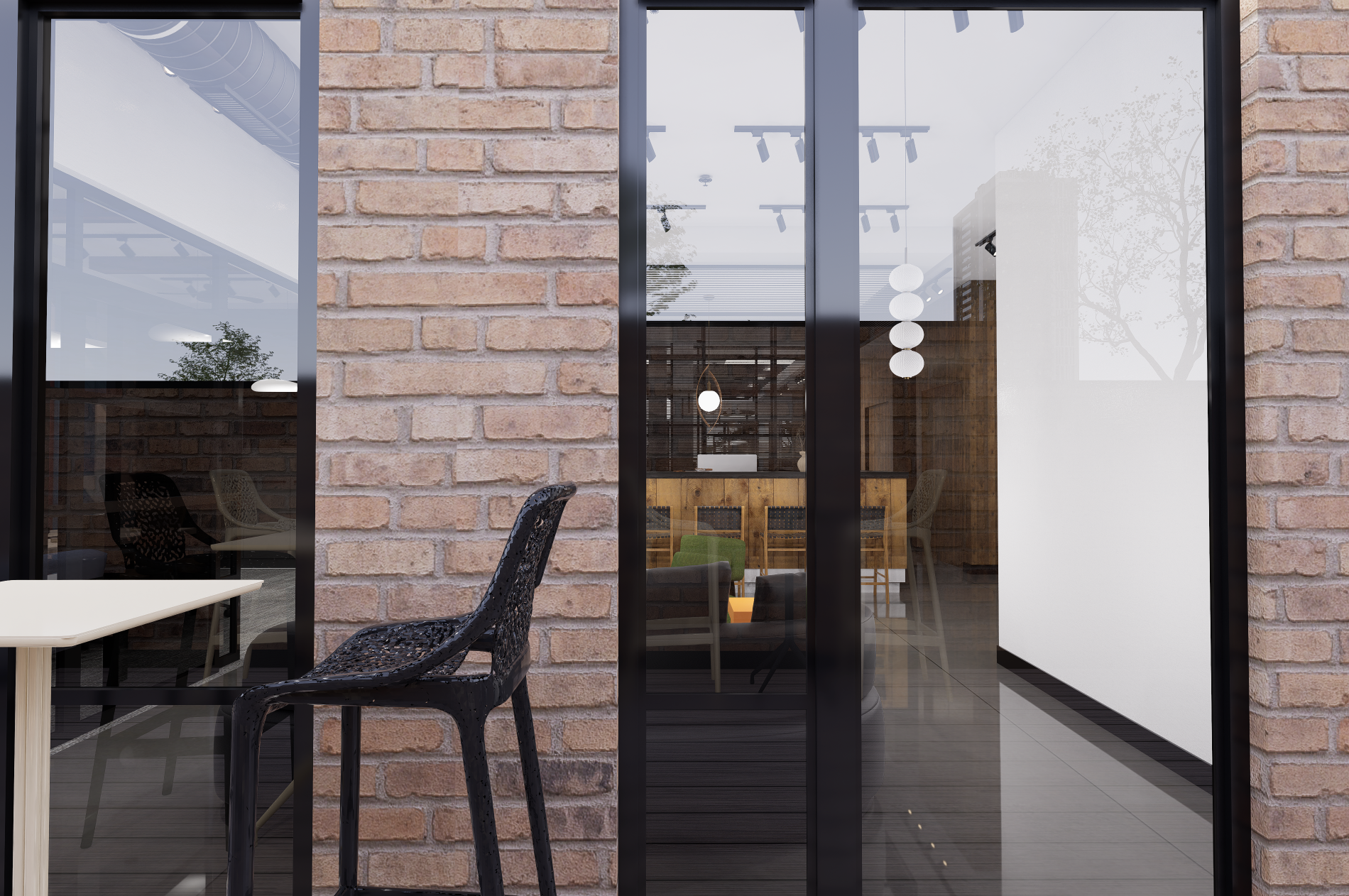
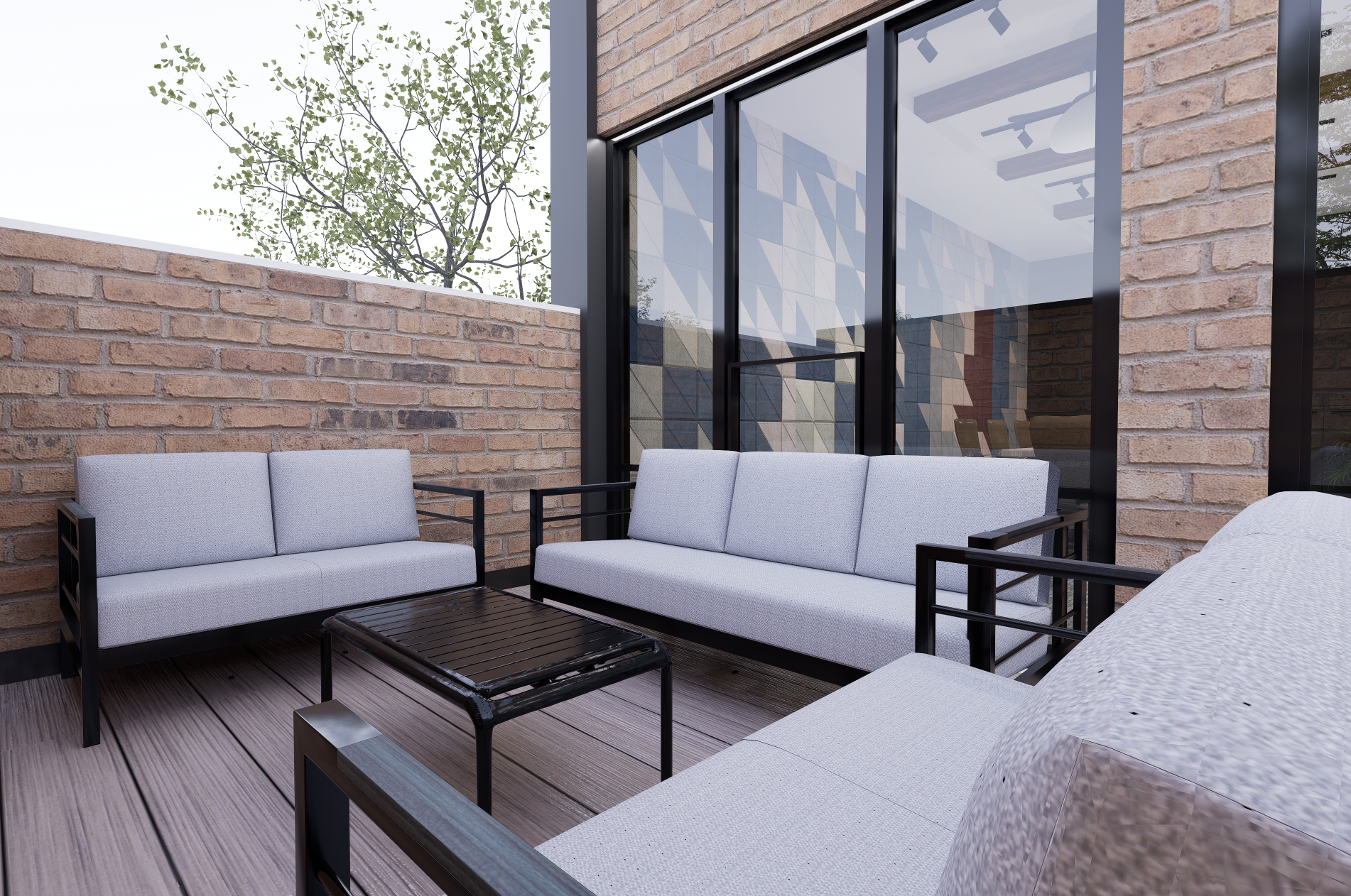
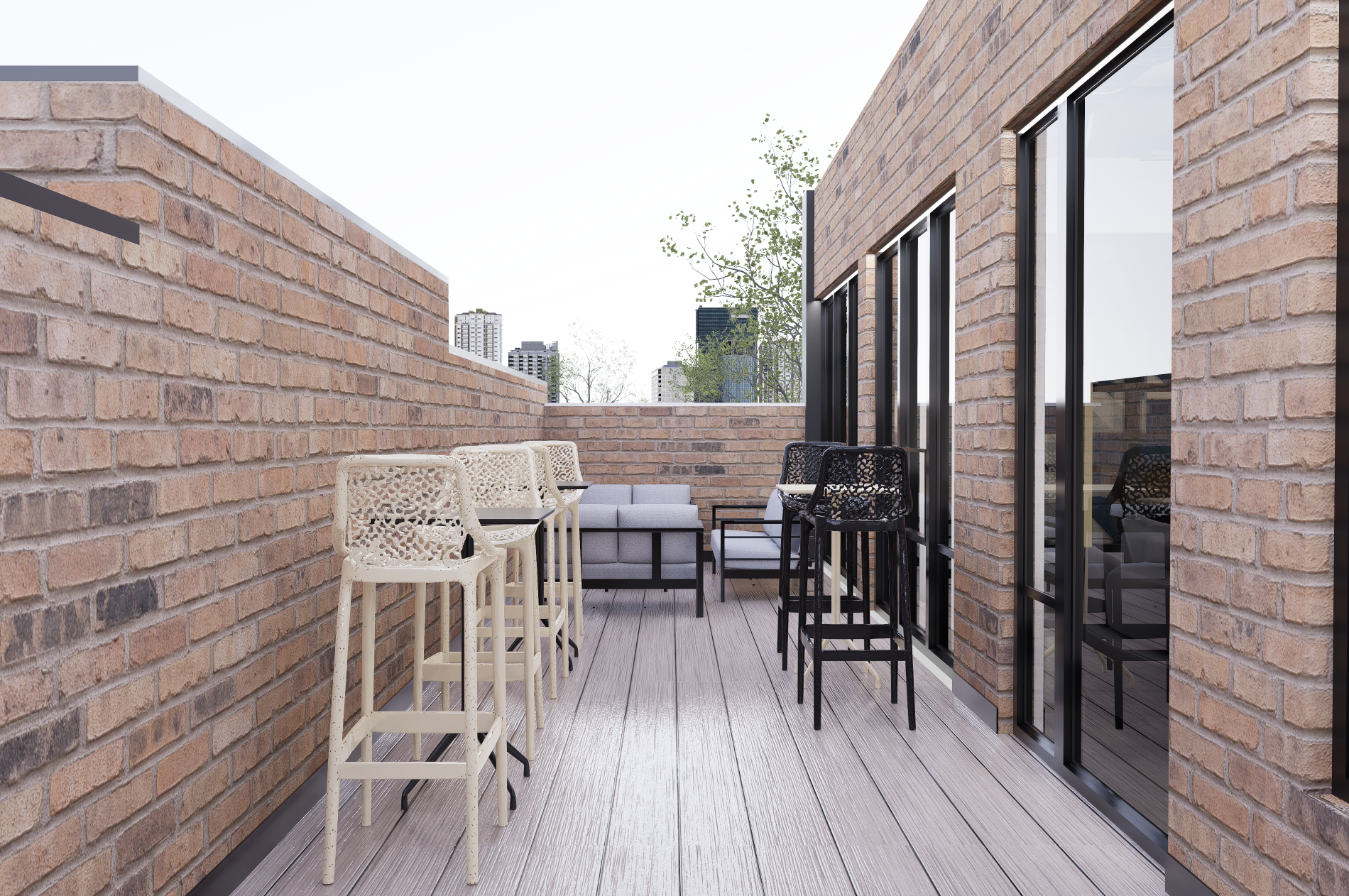
The 5th floor at Three City Social was designed to function as a refined social hub—where business conversations, creative exchanges, and community moments happen naturally. The goal was not simply to decorate a space, but to execute a cohesive interior design strategy that aligns with the identity of a modern private social club.
Strategic Interior Design Execution
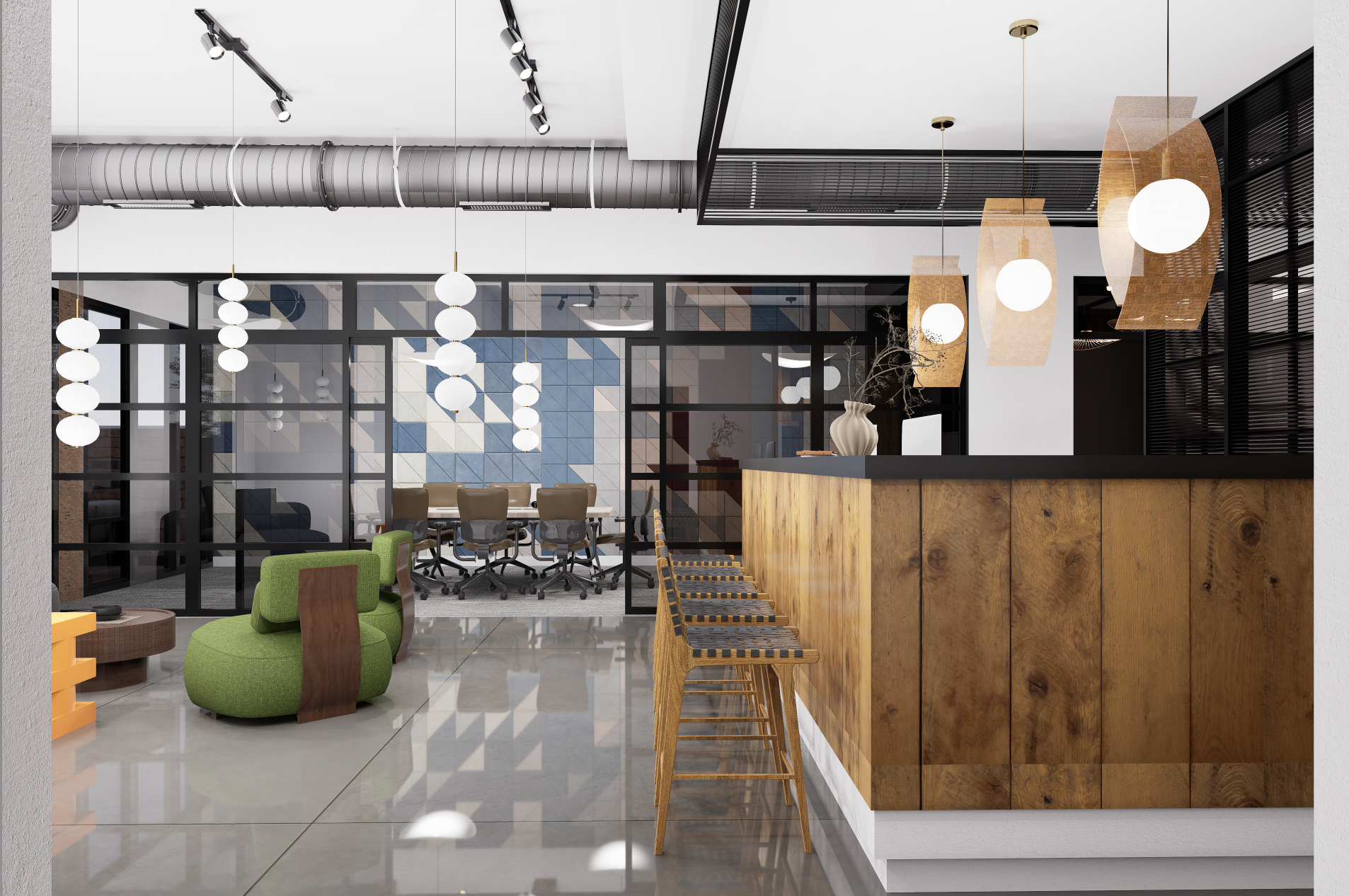
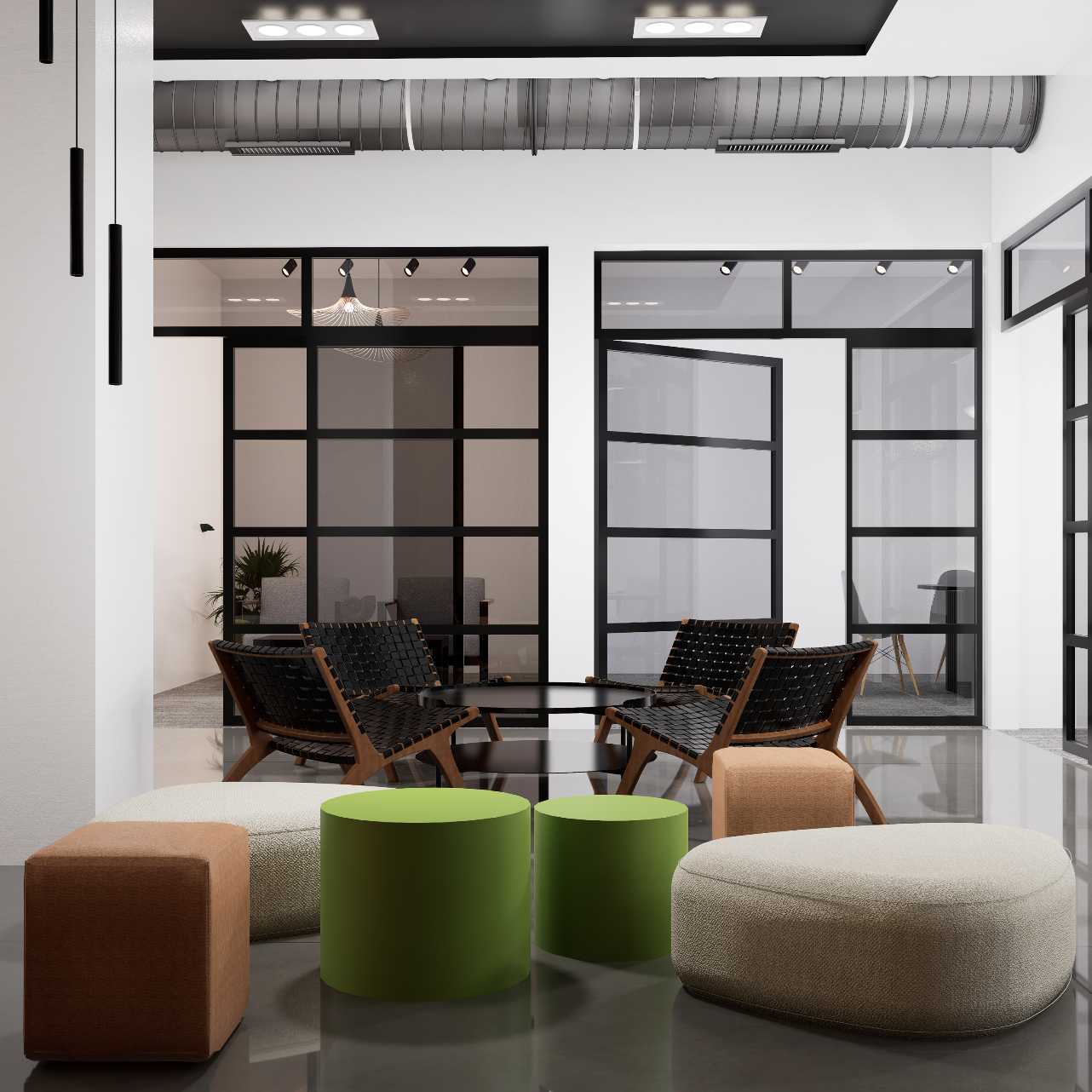
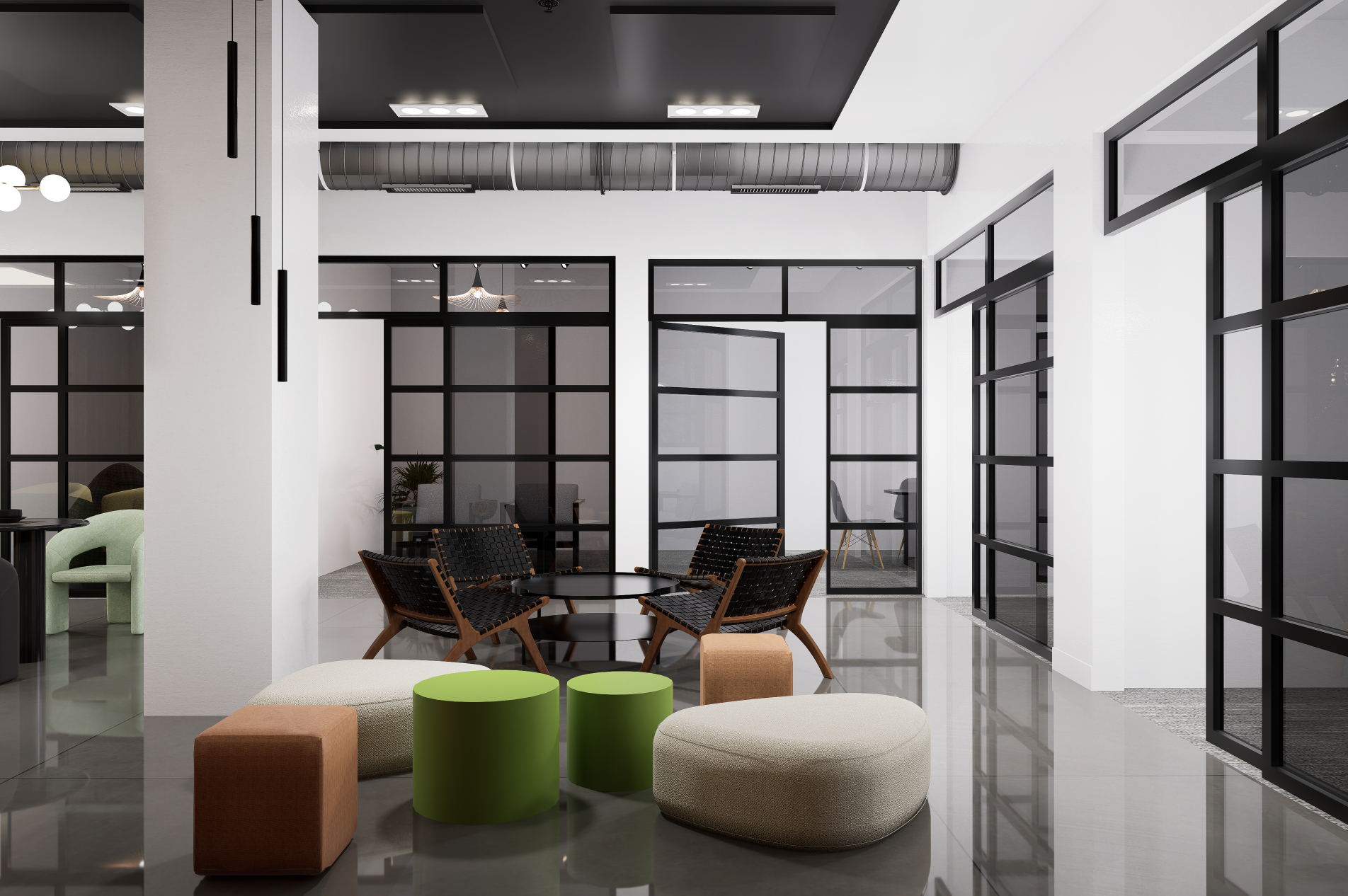
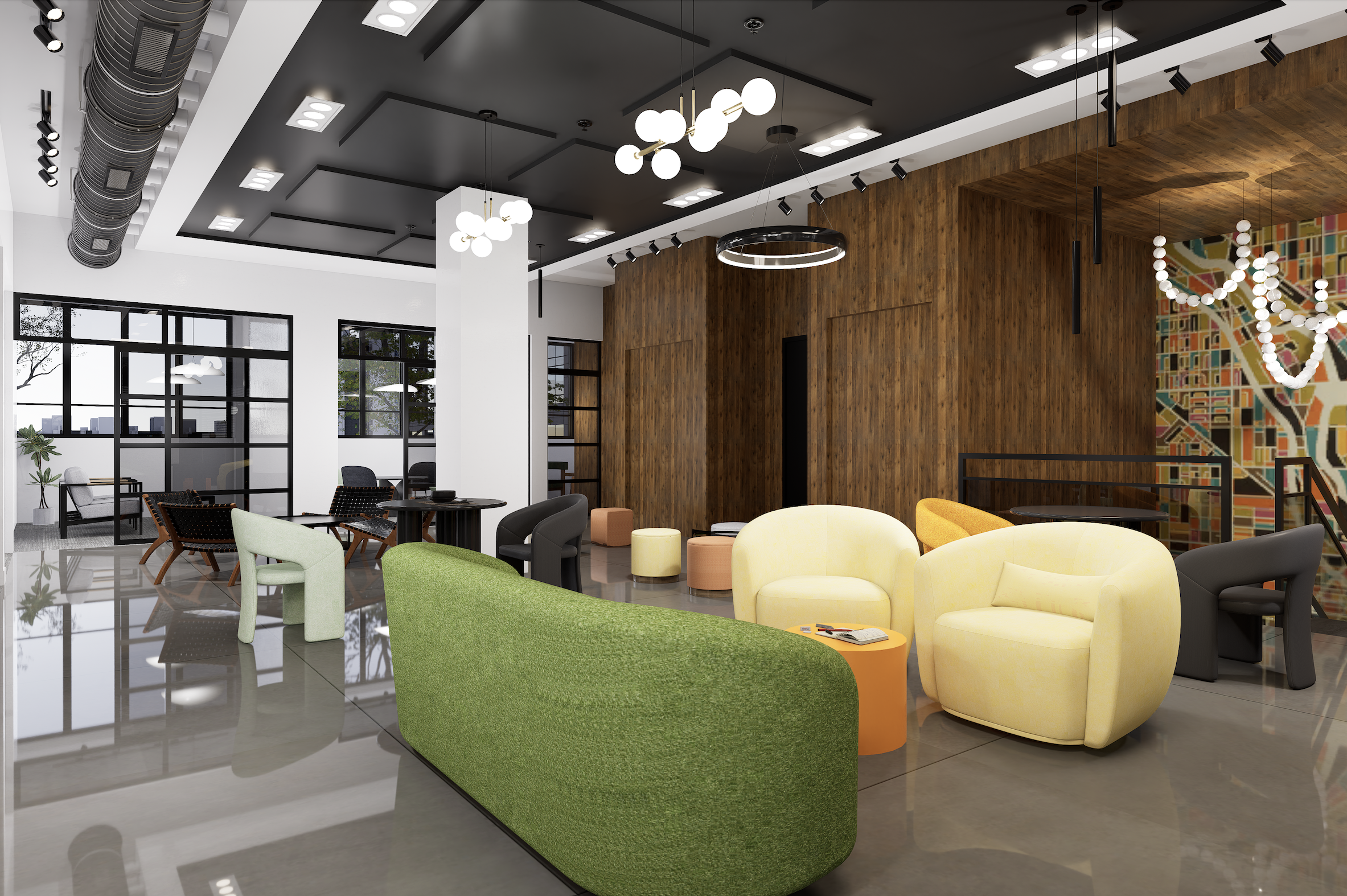
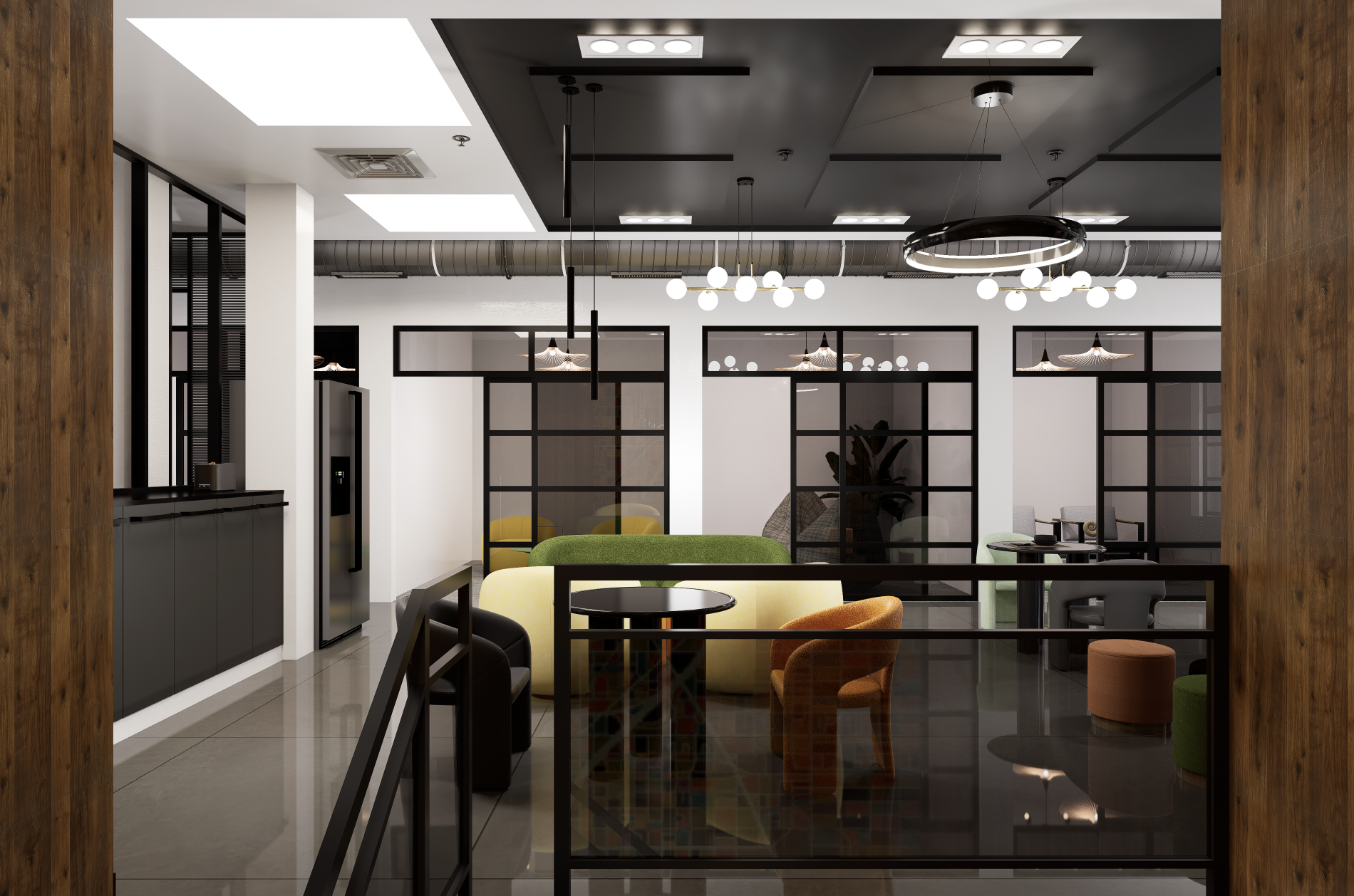
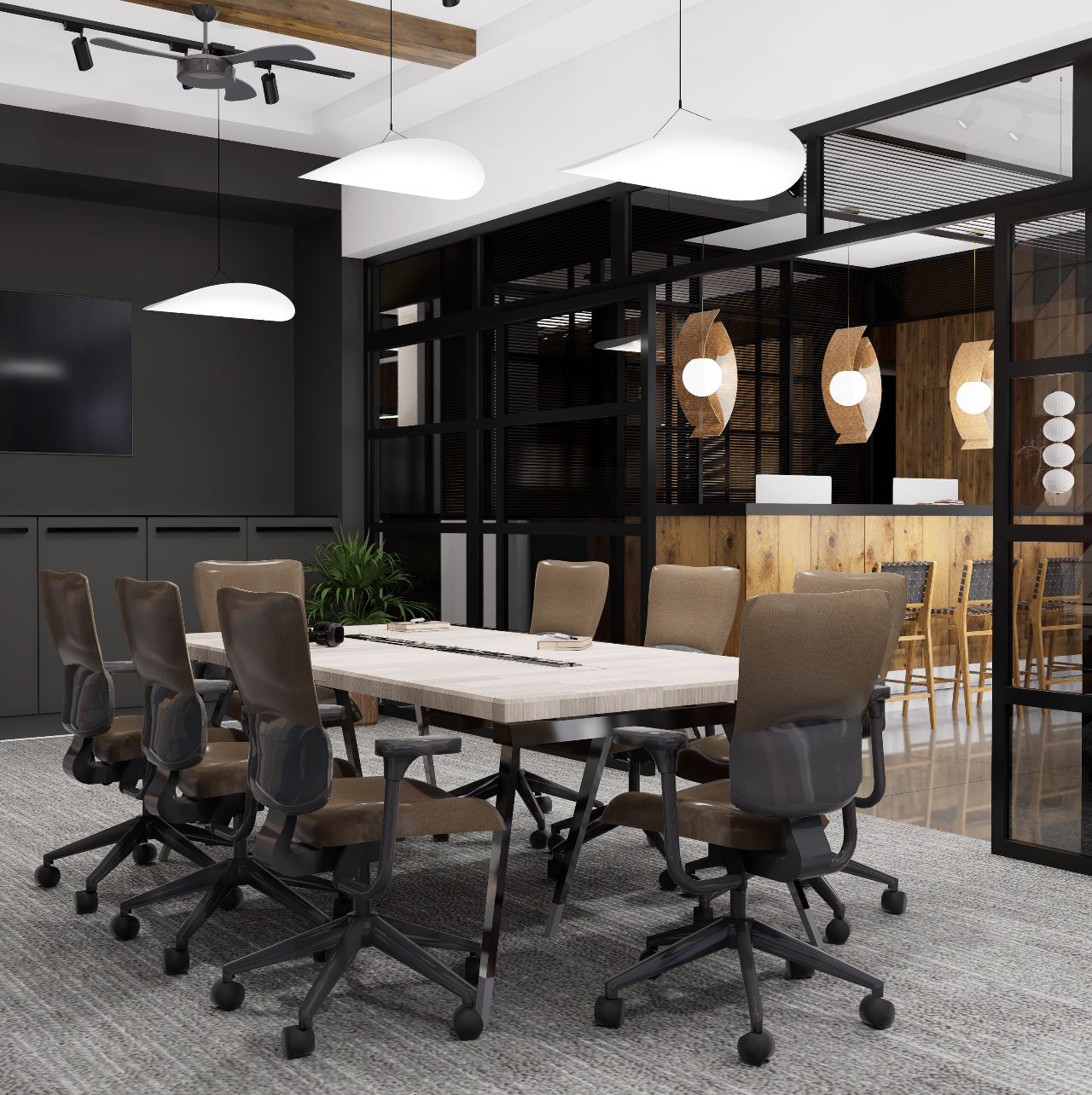
From the first visual layer, the contrast between warm wood paneling and black steel-framed glass partitions establishes structure and rhythm. These architectural interventions were intentionally introduced to define zones while preserving openness and light flow.
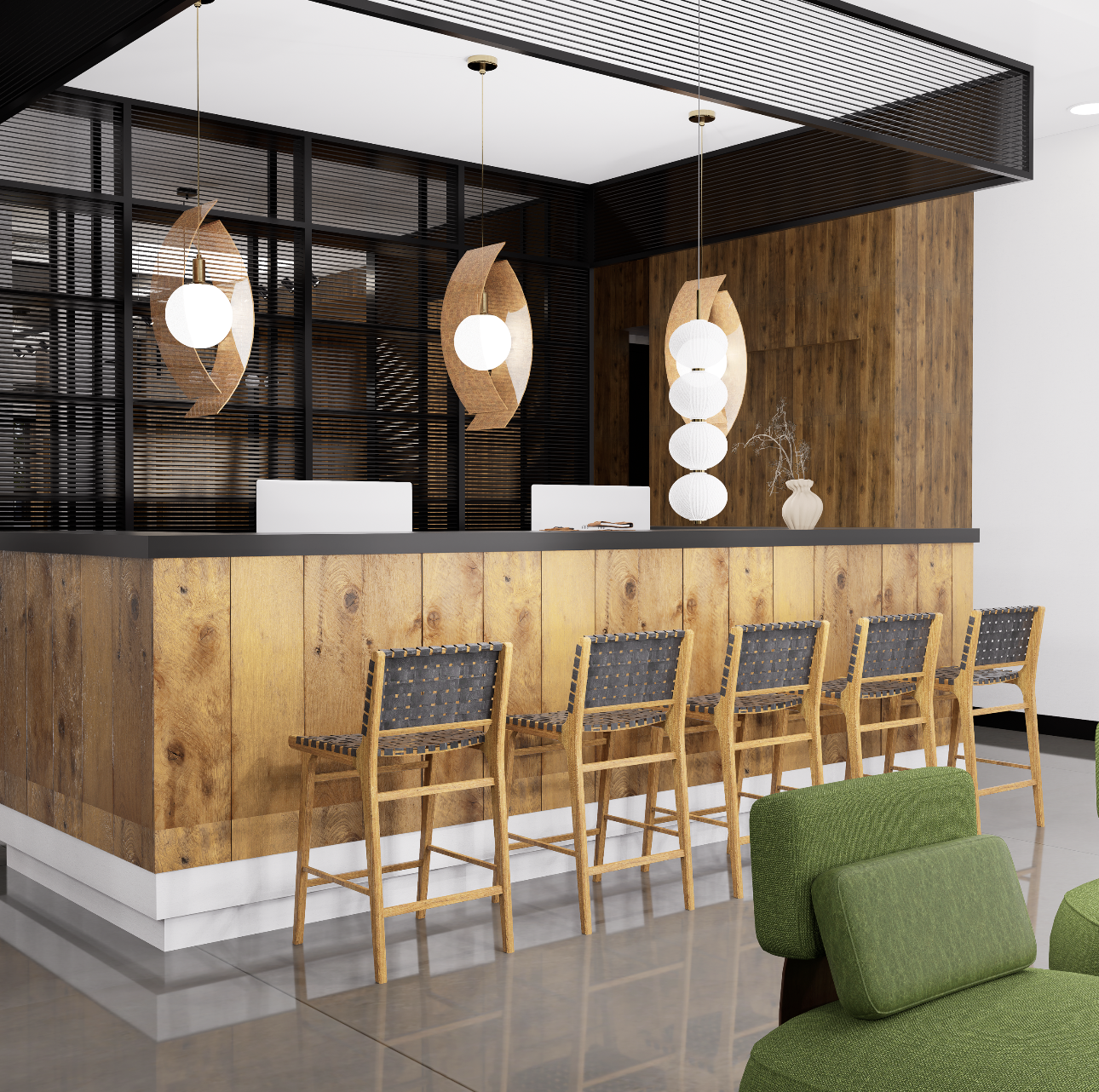
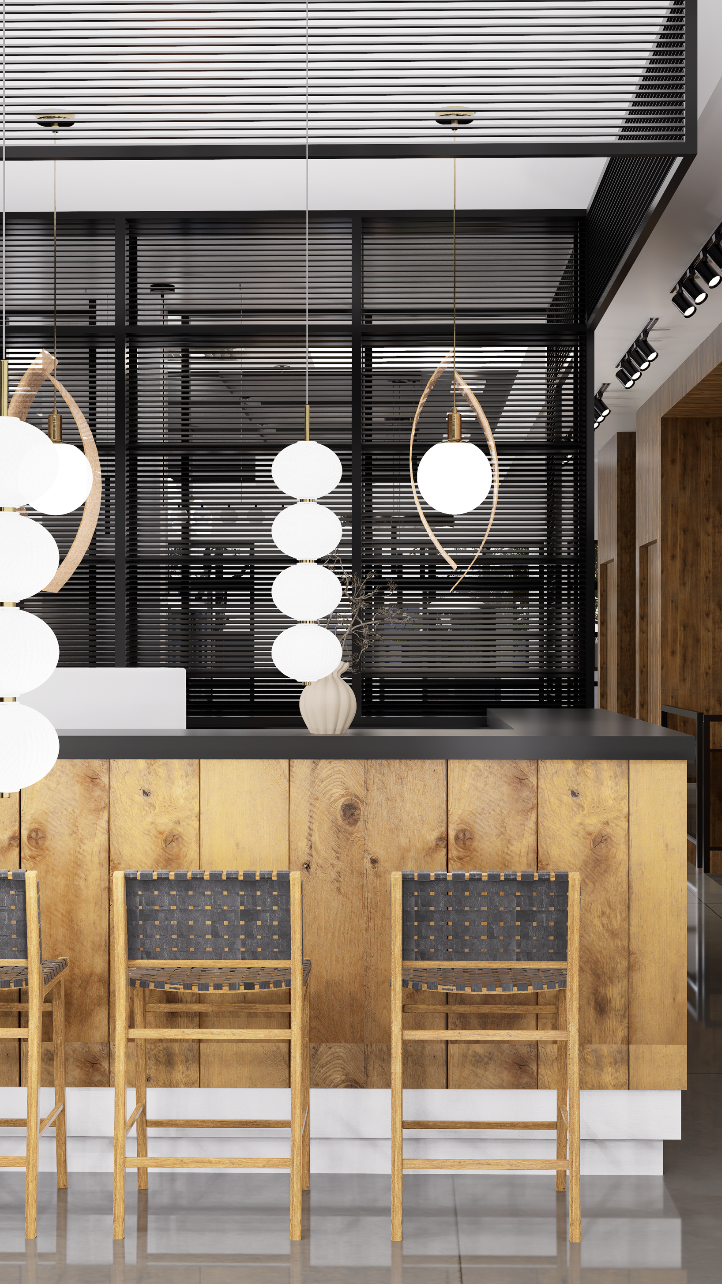
The reception bar serves as a central anchor. Wrapped in richly grained wood and framed with a clean, dark countertop, it immediately communicates warmth and approachability. Above it, sculptural pendant lighting creates vertical emphasis and visual hierarchy. The layered globe fixtures and statement pendants were carefully selected and positioned to reinforce scale and elegance.
Interior design execution at this level demands precision. Millwork alignment, lighting placement, ceiling detailing, and material transitions were coordinated to ensure clarity and cohesion. The black metal framing system was integrated to create architectural presence without overwhelming the space.
Zoning for Connection and Productivity
A social club must support multiple types of interaction. The 5th floor was organized to balance open collaboration with focused work.
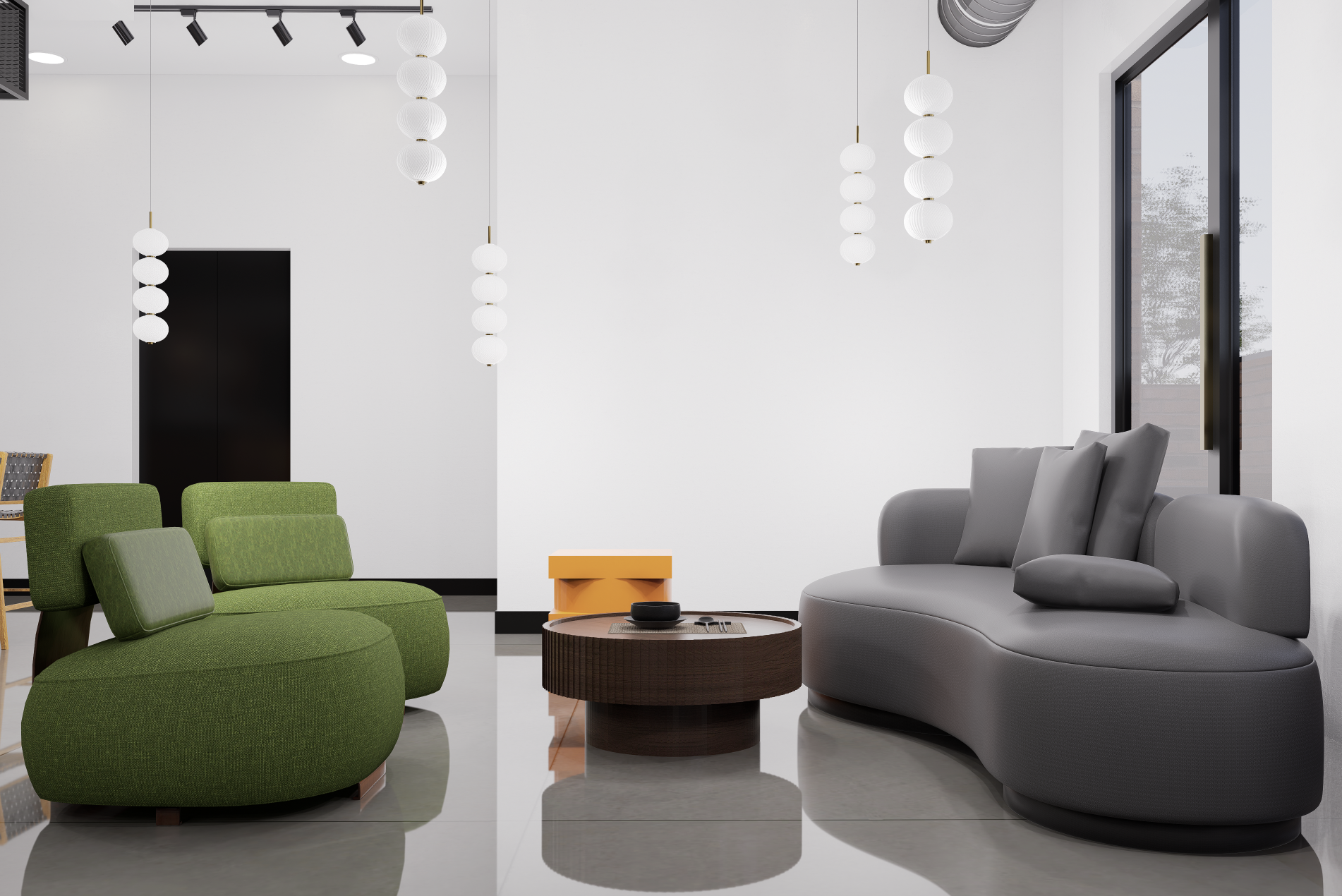
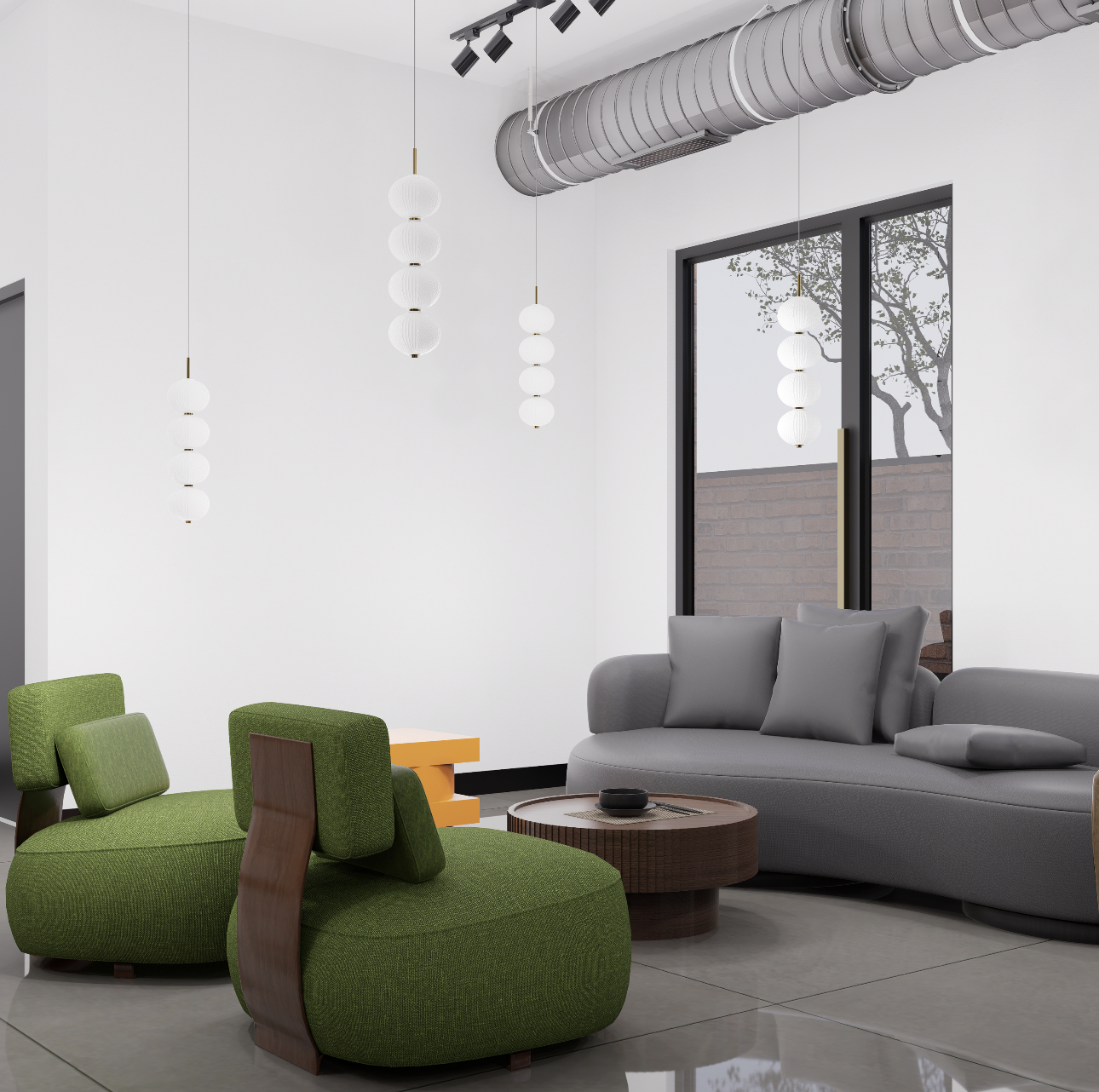
Curved lounge seating in green and neutral tones softens the linear architecture. These organic forms introduce movement and encourage relaxed conversation. The low-profile sofas and rounded chairs were chosen intentionally to create intimacy within a larger open-plan layout.
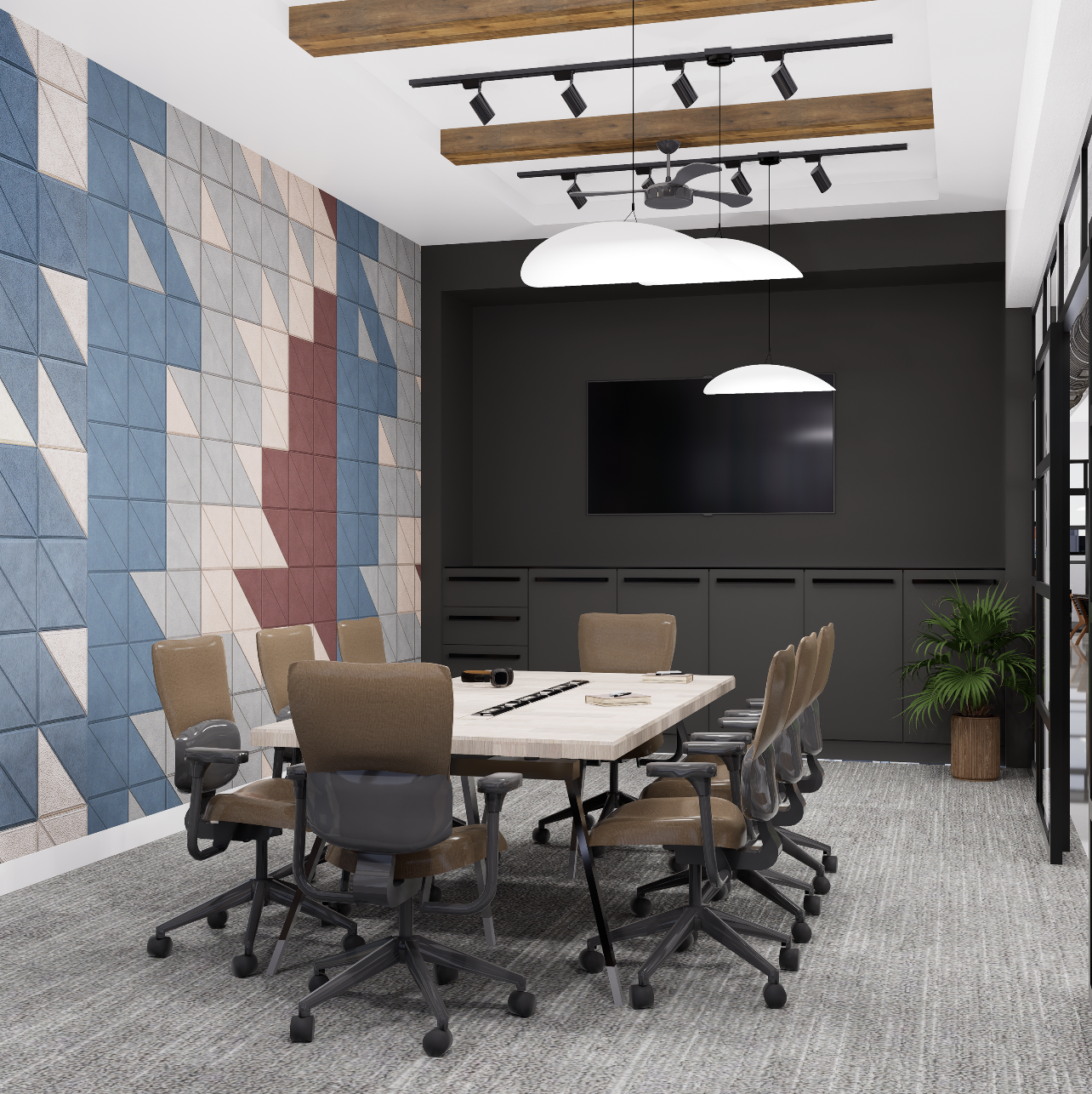
The glass-enclosed conference room provides privacy while maintaining visual continuity. This approach supports productivity without isolating members from the social energy of the floor. Transparency becomes a design tool—connecting people even when they are in separate zones.
Furniture selection plays a critical role in social club interior design. Ergonomic meeting chairs, sculptural coffee tables, and layered lighting fixtures were selected to elevate comfort and functionality. Proportion, scale, and spacing were carefully studied to maintain flow while maximizing usability.
Material Language and Identity
Interior design for social clubs must communicate identity through material choices. On the 5th floor, warm wood cladding introduces depth and tactility. Black steel framing adds modern contrast and structure. Upholstered elements bring softness and balance.
The reception area, lounge zones, and meeting spaces share a unified material palette to ensure continuity. Rather than relying on decorative excess, the design focuses on clarity, repetition, and architectural framing.
Lighting design was a critical component of execution. Sculptural pendants and ceiling-integrated fixtures establish ambiance while defining zones. Lighting is not secondary—it shapes how the space is experienced throughout the day and evening.
Why Interior Design Is Essential for Social Clubs
A social club is built on experience. Members invest in atmosphere, community, and the feeling of belonging. Interior design directly influences how long people stay, how they interact, and how they perceive value.
Professional interior design enhances:
Brand positioning and exclusivity
Member comfort and retention
Spatial efficiency and usability
Event flexibility and revenue potential
A thoughtfully executed interior increases perceived value and strengthens identity. It transforms square footage into a curated environment.
Design That Performs
The 5th floor at Three City Social demonstrates how intentional interior design execution elevates a social club environment. Architectural framing, custom millwork, layered lighting, and strategic zoning work together to create a space that feels structured yet welcoming.
This is what strong interior design delivers: not just aesthetics, but performance. A space that supports community, productivity, and long-term growth.
Year Completed: 2025