
The Balance Between Decorative Lighting and Mood Lighting in Hospitality Interior Design
What Is decorative Lighting?
Lighting is one of the most powerful tools in hospitality interior design. It shapes perception, influences behavior, and defines how a guest experiences a space. In restaurants, boutique hotels, and commercial interiors, the balance between decorative lighting and mood lighting is not optional—it is strategic.
At Perpetuum Designs, every project begins with a mood board. And lighting is never an afterthought. It is part of the architecture of experience.
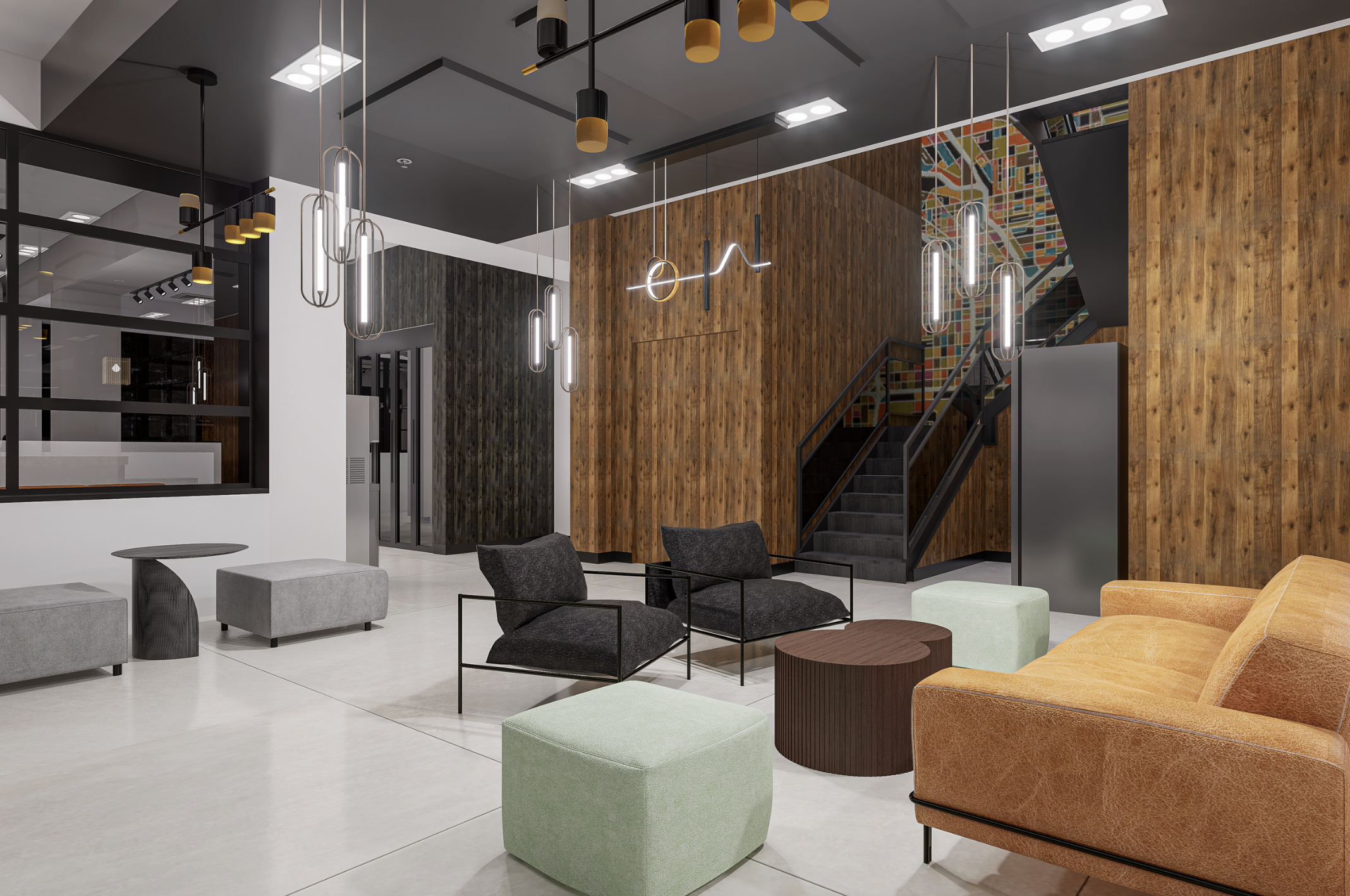
Decorative lighting refers to fixtures that act as focal points. Think chandeliers, sculptural pendants, statement sconces, or custom light installations. These pieces:
Define the style of the space
Reinforce brand identity
Anchor seating areas
Elevate perceived value
In hospitality design, beautiful light fixtures often become Instagram moments. A well-placed pendant over a communal table or a dramatic chandelier in a hotel lobby instantly communicates intention and quality.
For restaurant design especially, decorative lighting is branding in physical form. It signals whether the concept is upscale, casual, industrial, European-inspired, or contemporary.
What Is Mood Lighting?
Mood lighting—also known as ambient lighting—creates atmosphere. It is subtle. It does not demand attention, but without it, the space fails.
Mood lighting includes:
Cove lighting
LED strips integrated into millwork
Recessed ceiling lights
Wall washing
Dimmable layered systems
In commercial interior design, especially in restaurants and boutique hotels, mood lighting controls emotional temperature. Warm light (2700K–3000K) encourages comfort and longer stays. Cooler light may be used strategically in work-focused environments like coworking spaces.
When lighting is layered correctly, guests feel relaxed without understanding why.
Why the Balance Matters in Hospitality Design
The most successful hospitality interiors do not choose between decorative and mood lighting. They layer both intentionally.
If a space relies only on decorative fixtures, it risks harsh shadows and inconsistent illumination. If it relies only on ambient lighting, it may feel flat and forgettable.
A balanced lighting plan in restaurant design or hotel interior design typically includes:
Ambient lighting (general mood)
Task lighting (functional areas like bars or reception desks)
Accent lighting (highlighting artwork, textures, architectural features)
Decorative lighting (visual identity and focal points)
This layered approach ensures visual comfort, operational efficiency, and emotional resonance.
Beautiful Fixtures Increase Perceived Value
Lighting directly affects how expensive a space feels.
In hospitality interior design, guests subconsciously associate custom or thoughtfully selected light fixtures with quality and attention to detail. A bespoke pendant or curated chandelier elevates the entire room—even if other materials are modest.
Studies in environmental psychology show that warm, well-balanced lighting increases perceived comfort and satisfaction in dining environments. That translates into longer stays, higher spending, and stronger brand loyalty.
For boutique hotels and restaurants, lighting is not decoration—it is revenue strategy.
Lighting and Brand Identity
Every hospitality concept has a story.
A distillery-inspired restaurant may lean into darker tones, dramatic pendants, and focused pools of light. A coastal boutique hotel may incorporate woven fixtures, soft wall washes, and layered indirect lighting.
The fixture style, material, scale, and placement must align with the brand narrative.
When decorative lighting supports mood lighting instead of competing with it, the result feels cohesive and intentional.
Technical Considerations Designers Must Get Right
Beyond aesthetics, professional commercial interior design requires precision:
Correct lumen output per square foot
Proper fixture height above tables (typically 30–36 inches above tabletop)
Dimming controls for day-to-night transitions
Balanced distribution to avoid glare
Compliance with energy codes and safety standards
In restaurant interior design, lighting must flatter both people and food. Poor lighting can make even beautifully plated dishes look unappealing.
Lighting Is Experience Design
Guests may not remember the exact fixture name or technical specifications. But they will remember how the space made them feel.
In hospitality interiors, lighting defines:
First impressions
Social media photography quality
Guest comfort
Time spent in space
Brand perception
Beautiful fixtures create identity. Mood lighting creates emotion. Together, they create atmosphere.
And atmosphere is everything.
About Perpetuum Designs
Perpetuum Designs is an award-winning boutique interior design studio specializing in hospitality and commercial projects. We believe that lighting is not simply a functional necessity—it is a strategic design element that shapes how people experience space.
If you are planning a restaurant, boutique hotel, or commercial project, a well-balanced lighting strategy can transform the entire outcome.
Because in hospitality design, light is not just illumination.
It is intention.