
Rail - Loop
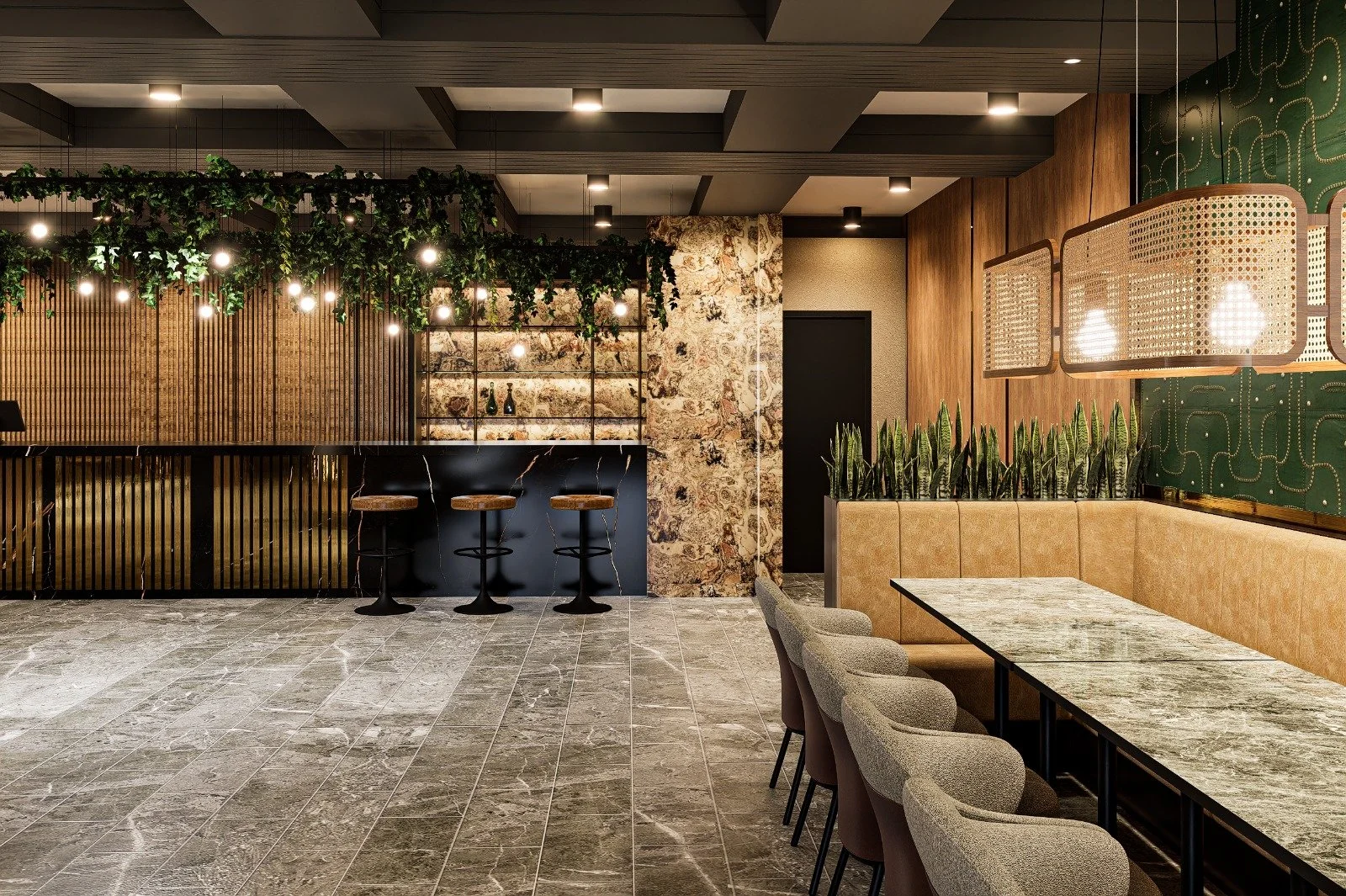
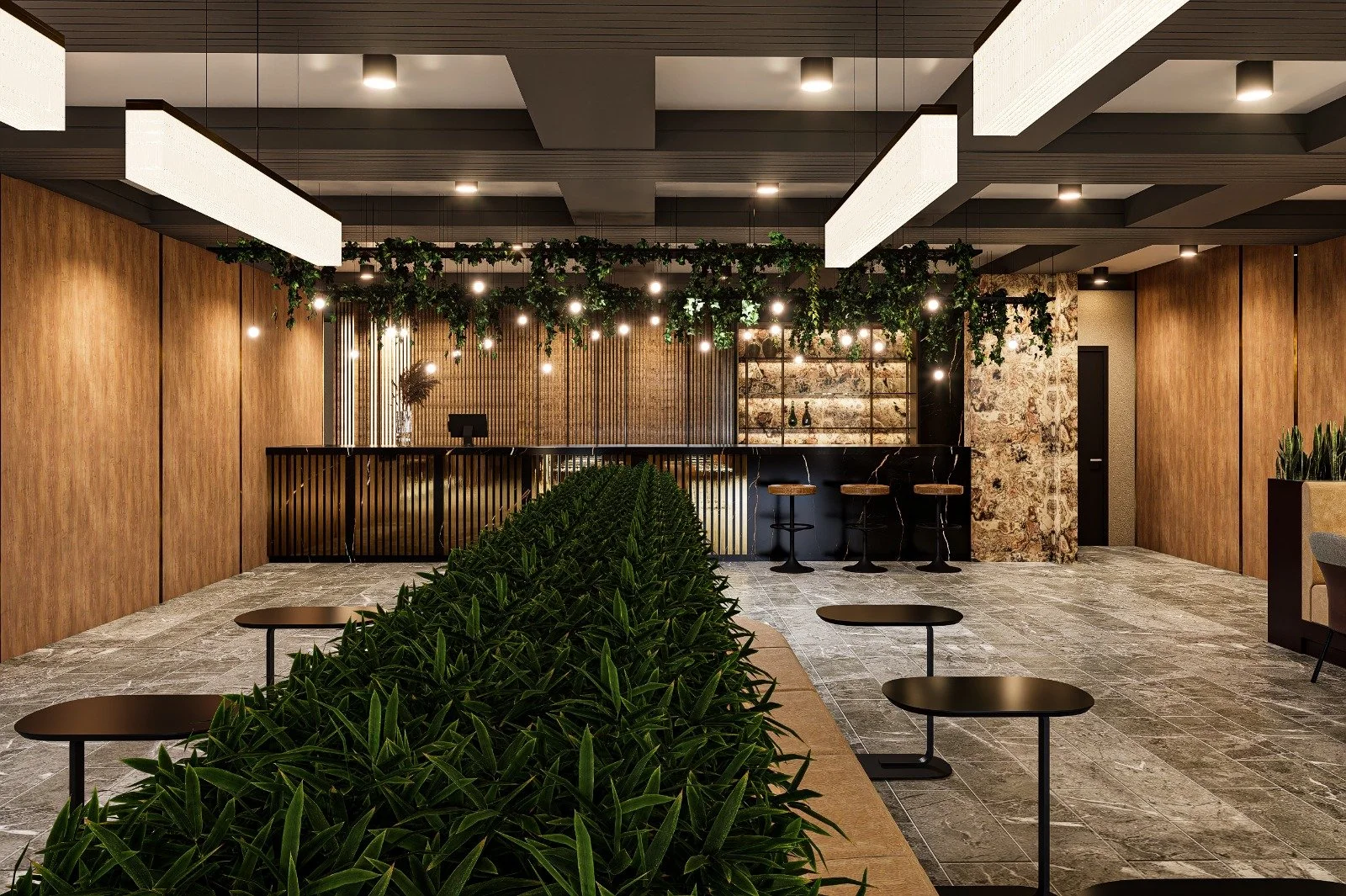
Designing a Fusion Restaurant in Chicago: How Interior Design Shapes Experience, Identity, and Business Success
In hospitality design, the most powerful spaces are never accidental. They are carefully built at the intersection of brand identity, spatial strategy, materiality, and emotion.
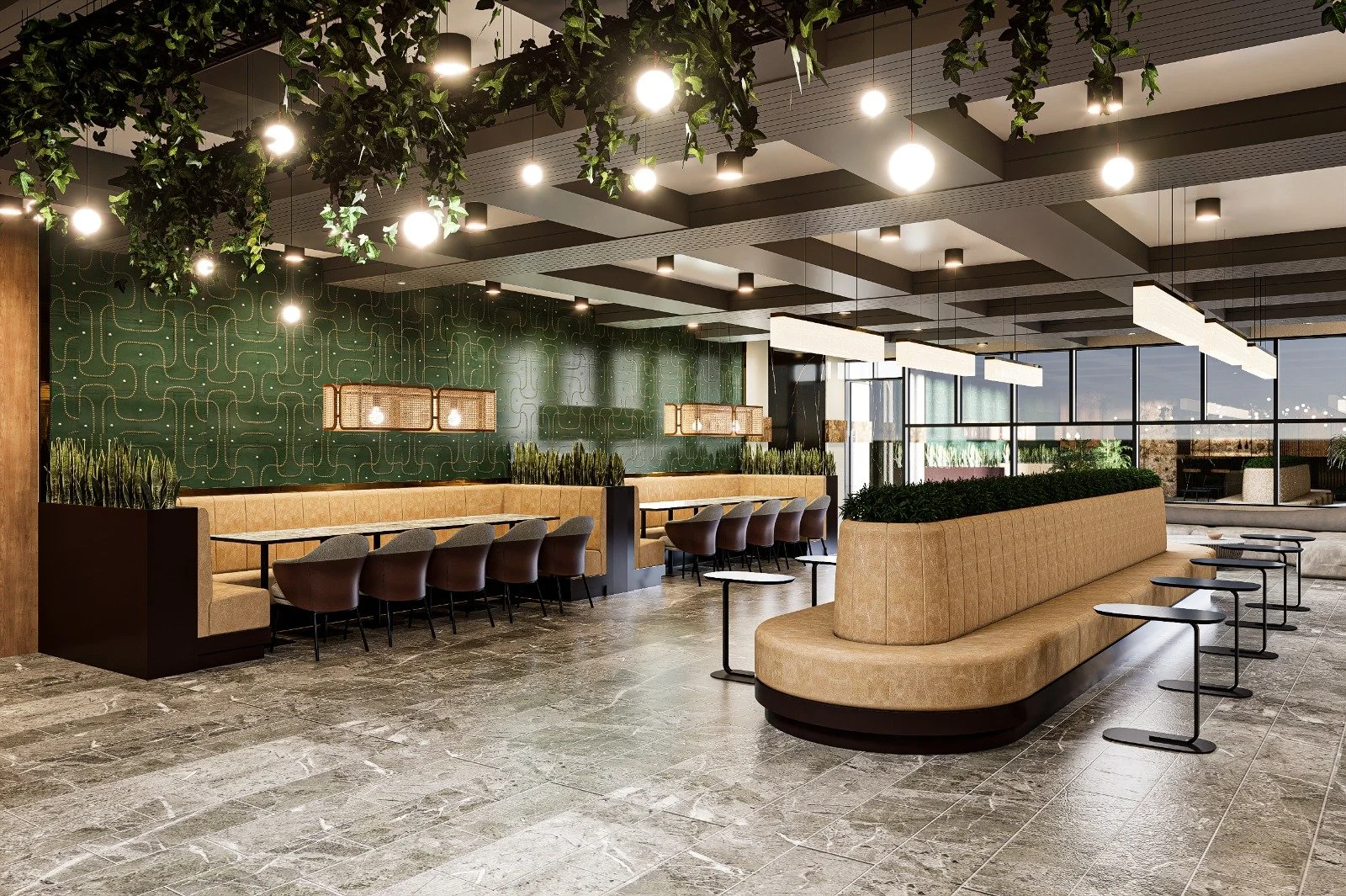
That philosophy guided our work on Rail, a fusion restaurant located in the heart of the Loop in Chicago—a project where design was not just about aesthetics, but about storytelling, flow, and long-term relevance.
From the earliest concept sketches to the final renderings, the goal was clear: to create a restaurant that feels bold yet approachable, modern yet warm, and distinctive without being overwhelming.
The Role of Interior Design in Fusion Restaurants
Fusion cuisine is, by definition, a dialogue between cultures. The interior design of a fusion restaurant must reflect the same idea—layering influences, materials, and moods in a coherent, intentional way.
For Rail, the design concept was built around three core principles:
Contrast without conflict
Warmth within a contemporary framework
Timeless materials interpreted in a modern way
In commercial hospitality spaces, especially in competitive markets like Chicago, design is no longer optional. It is a strategic tool that influences how long guests stay, how often they return, and how they perceive the brand.
Keywords integrated: restaurant interior design Chicago, fusion restaurant design, hospitality interior design, commercial interior design.
Spatial Planning: Designing Flow, Not Just Furniture
One of the most overlooked aspects of restaurant design is spatial choreography.
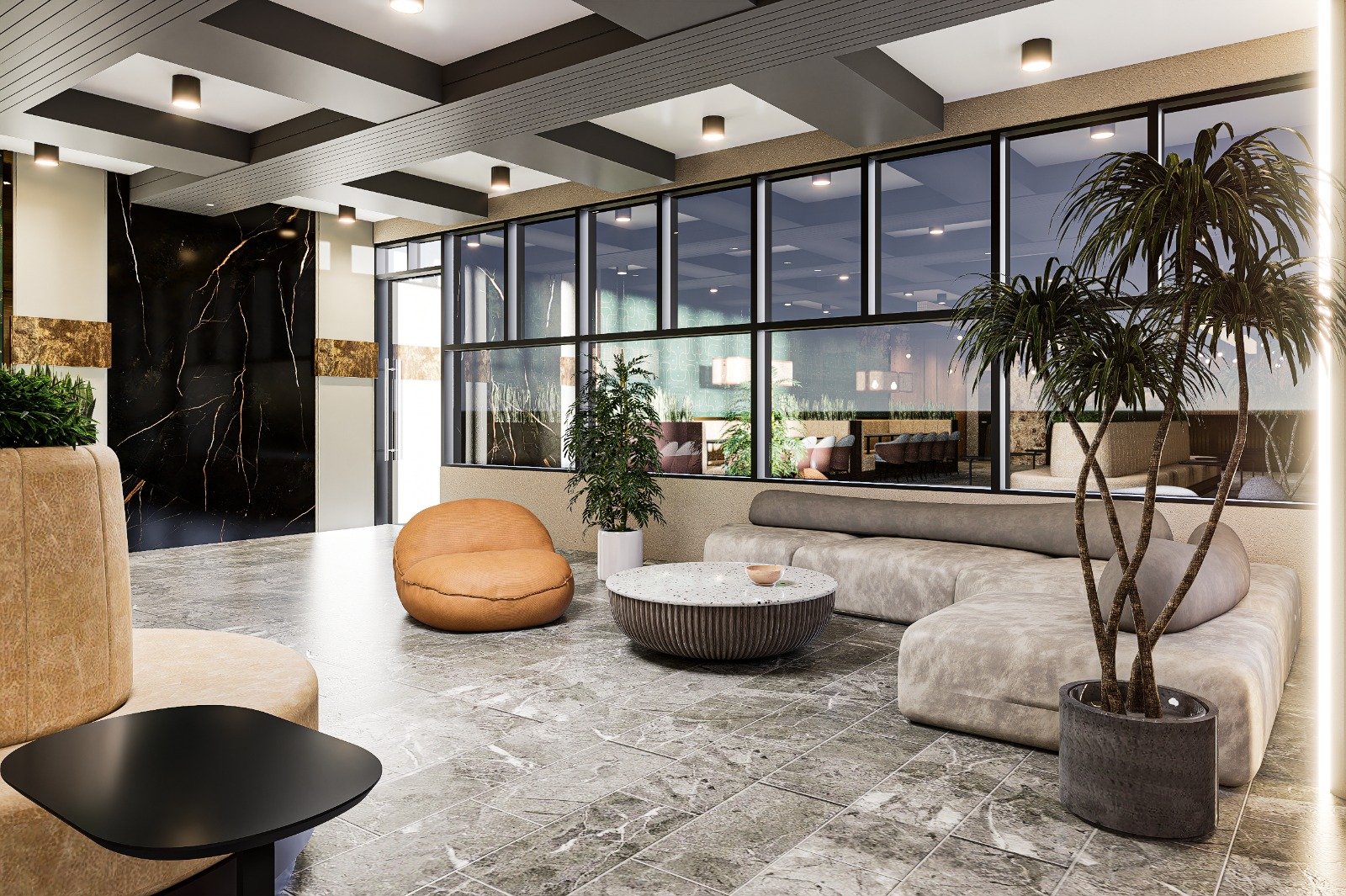
At Rail, the layout was designed to support multiple experiences within the same space:
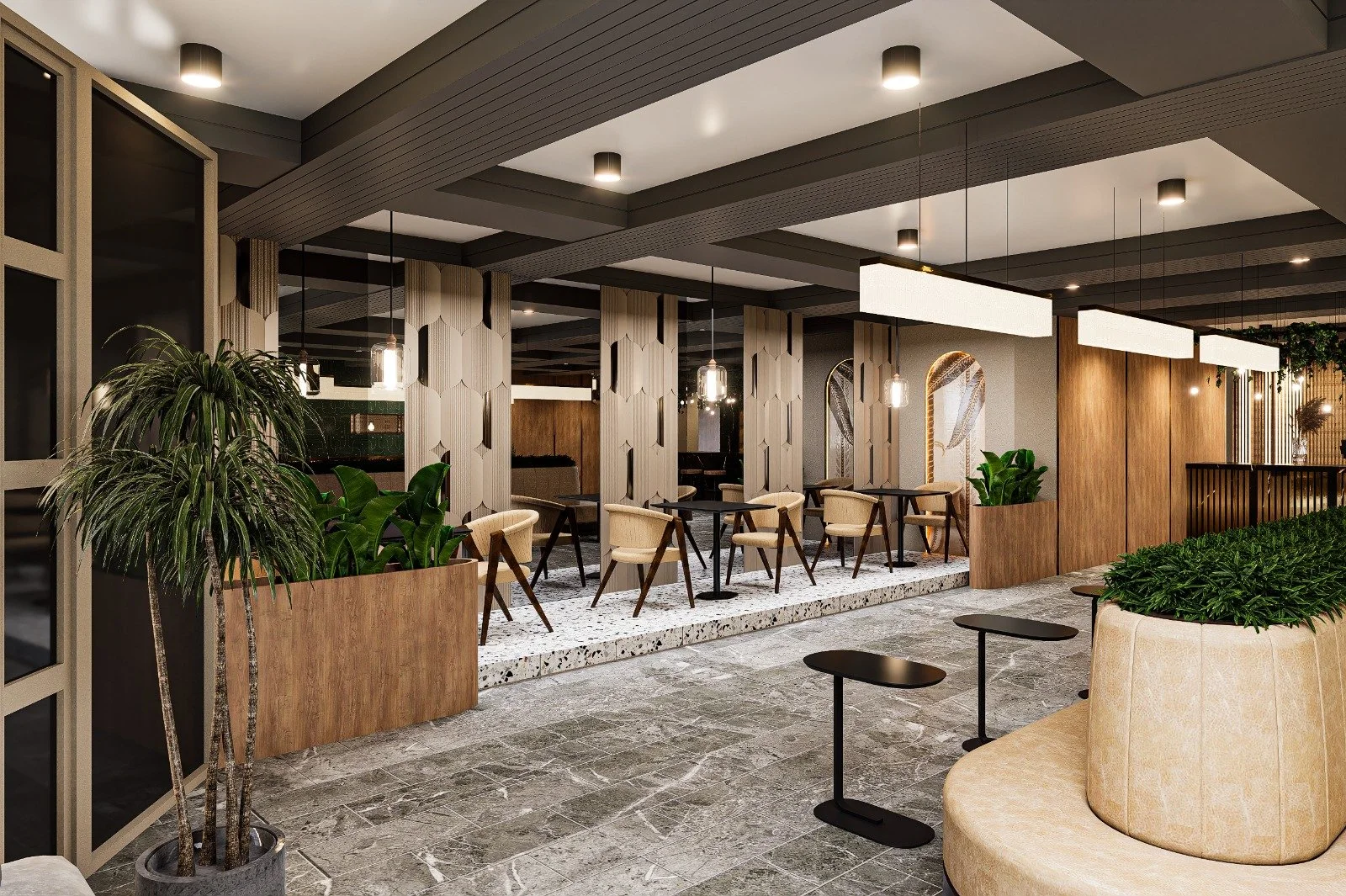
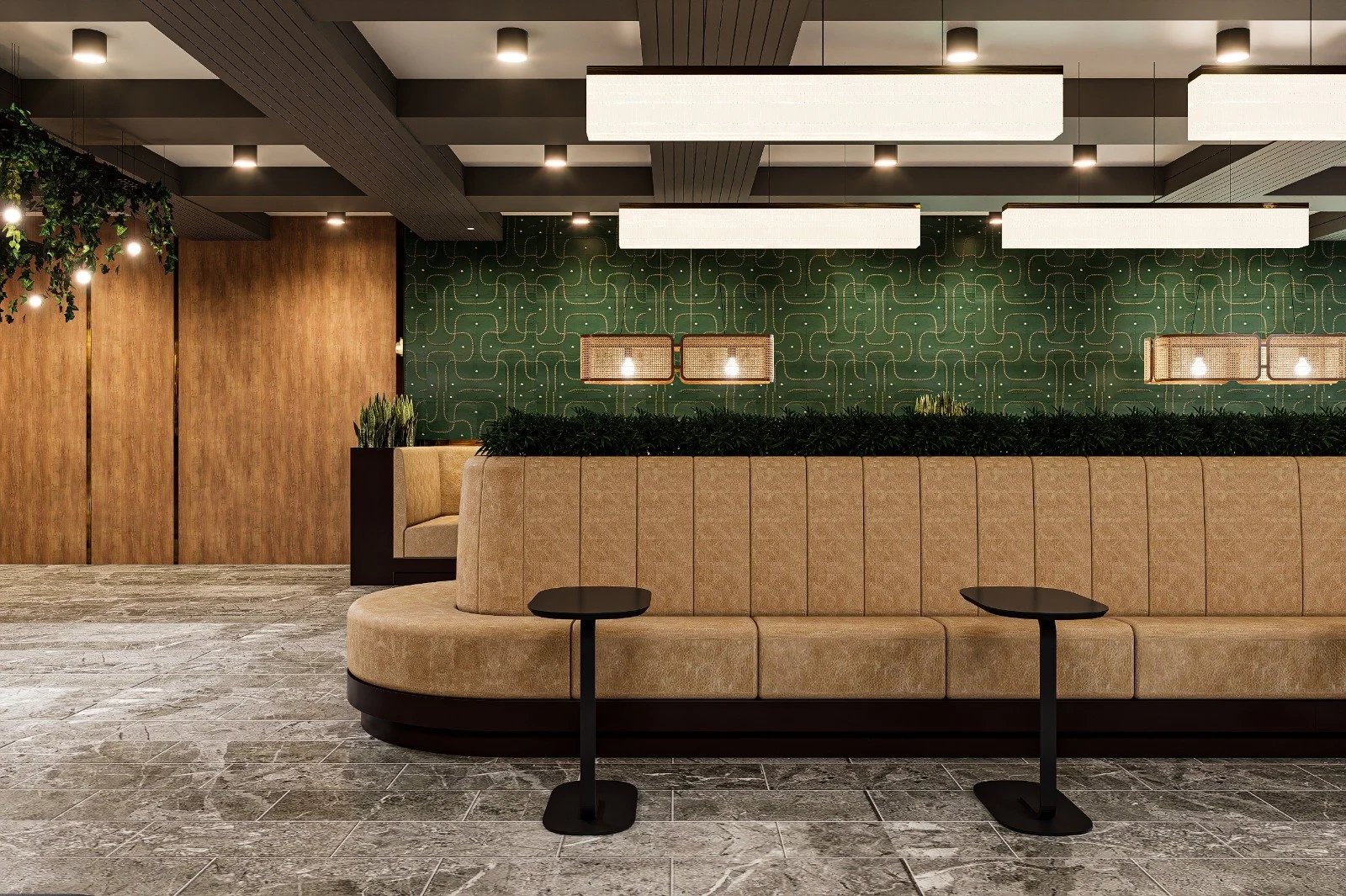
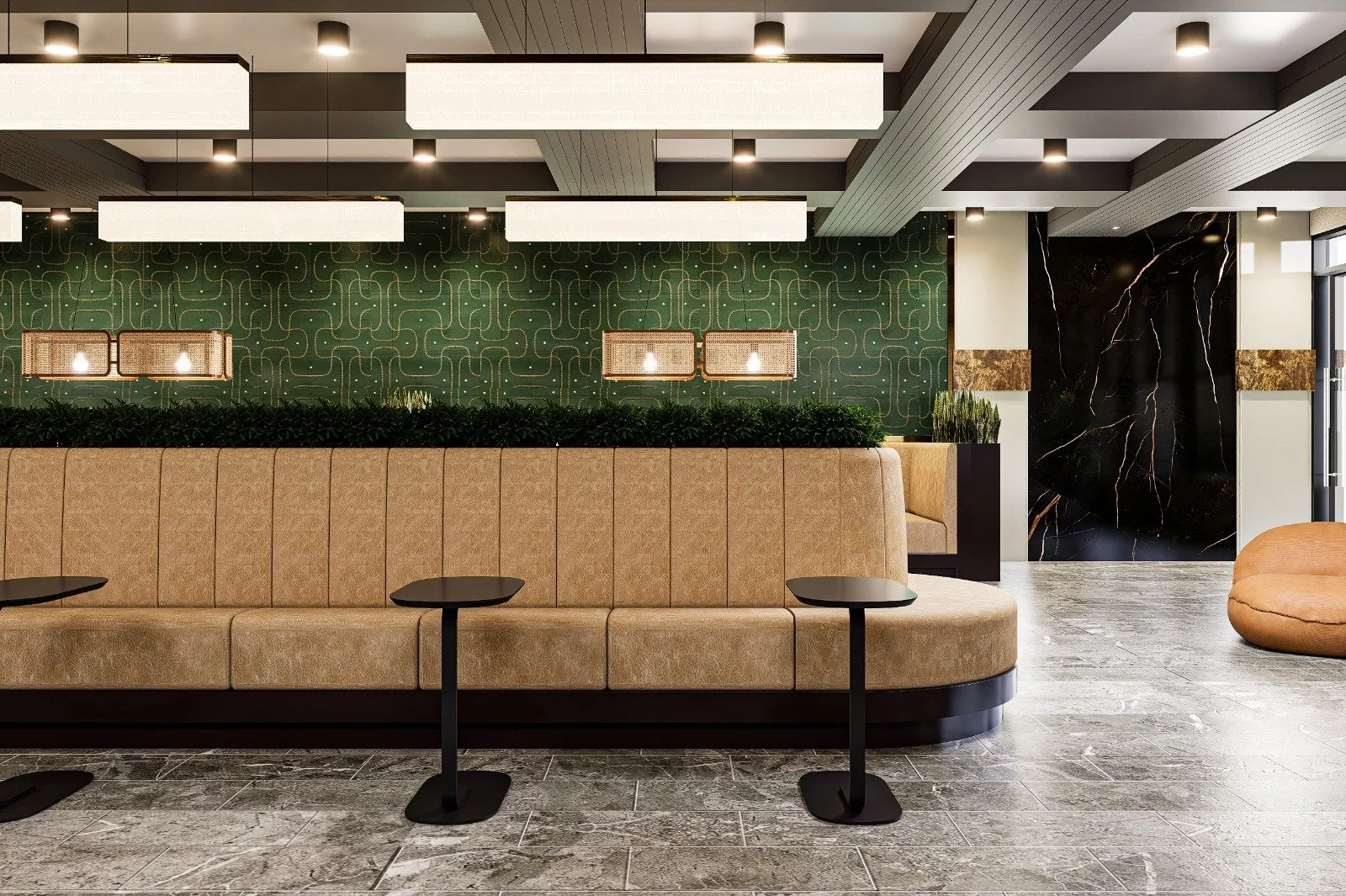
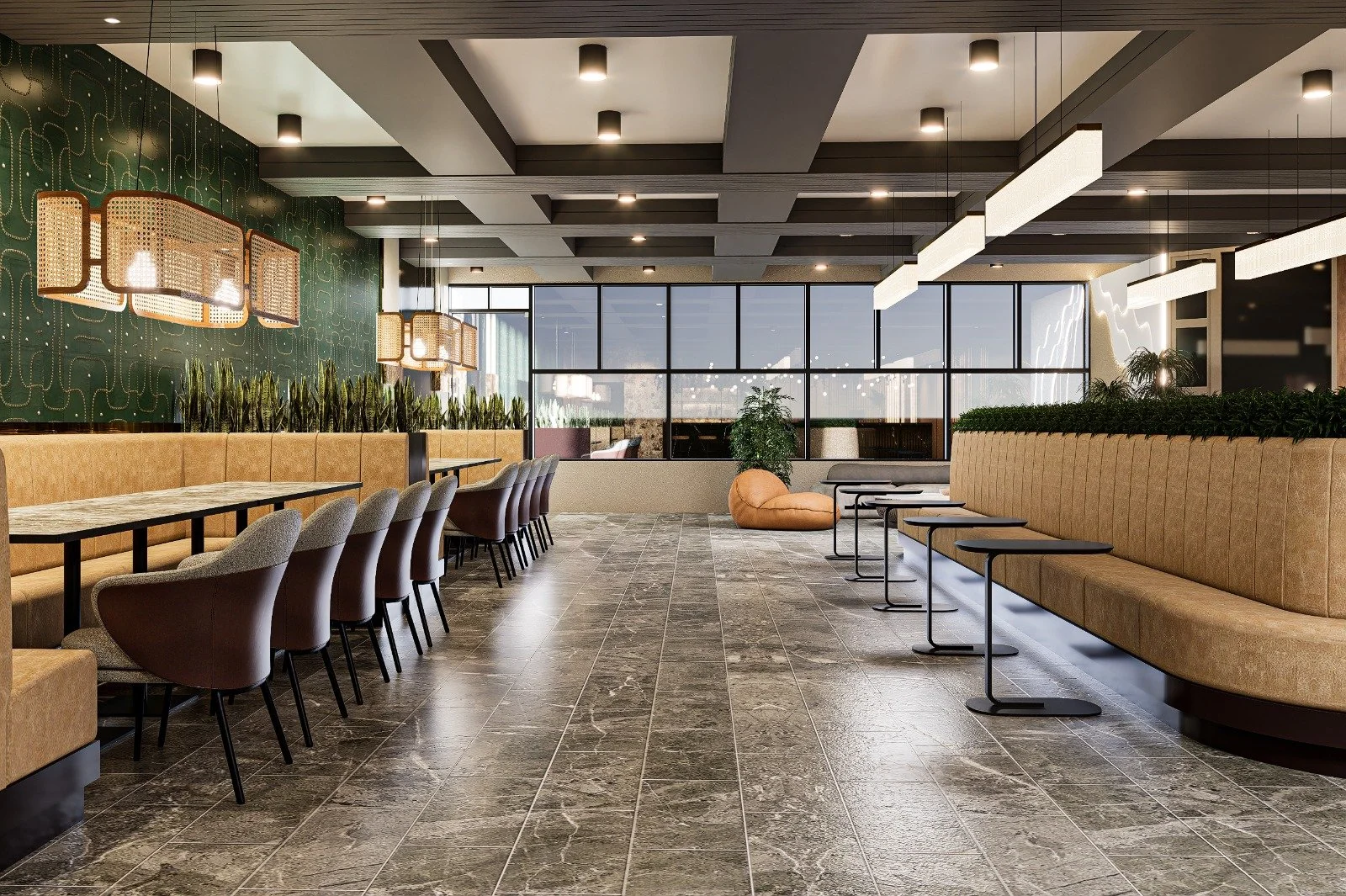
Communal seating zones that encourage social interaction
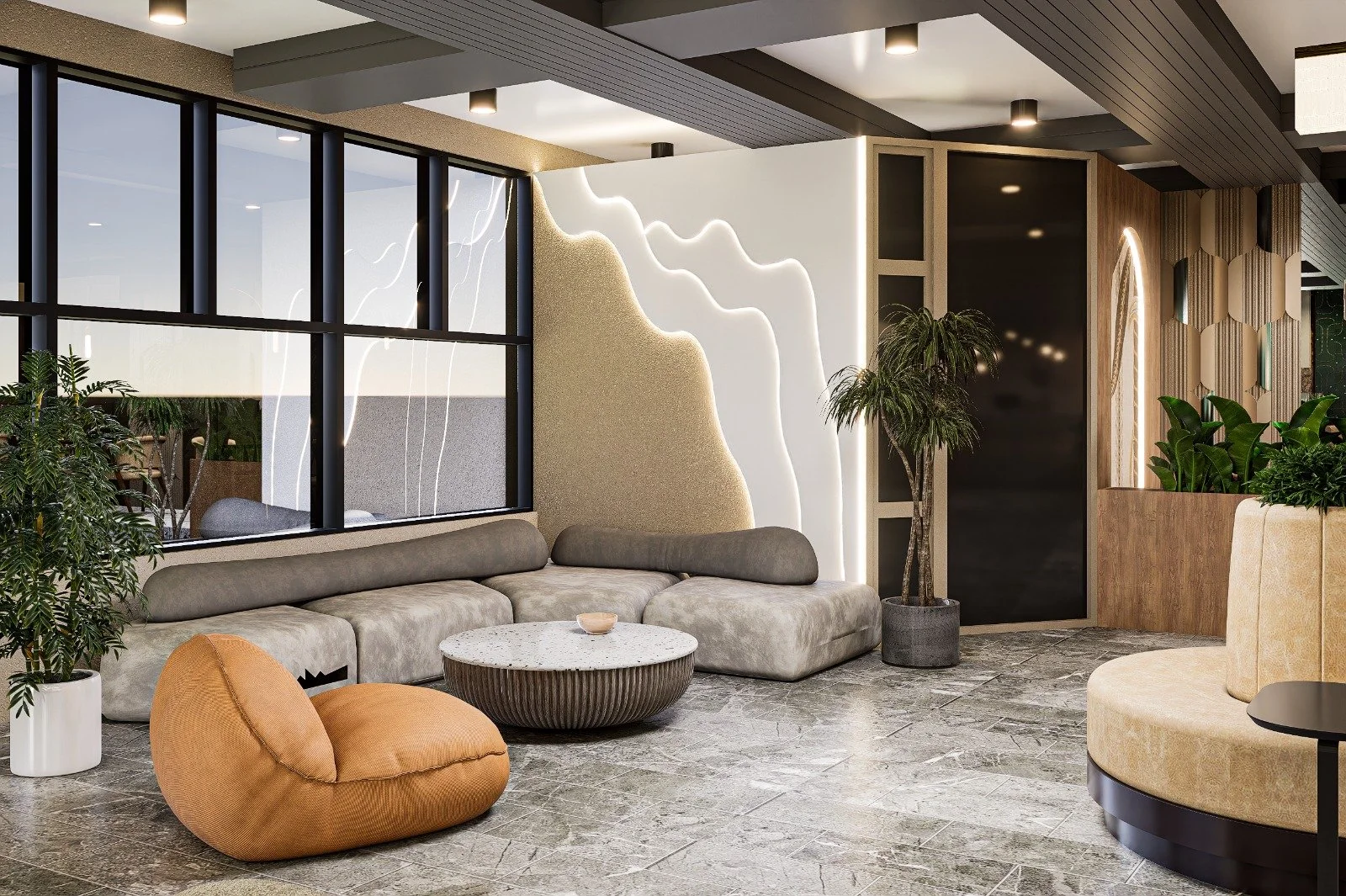
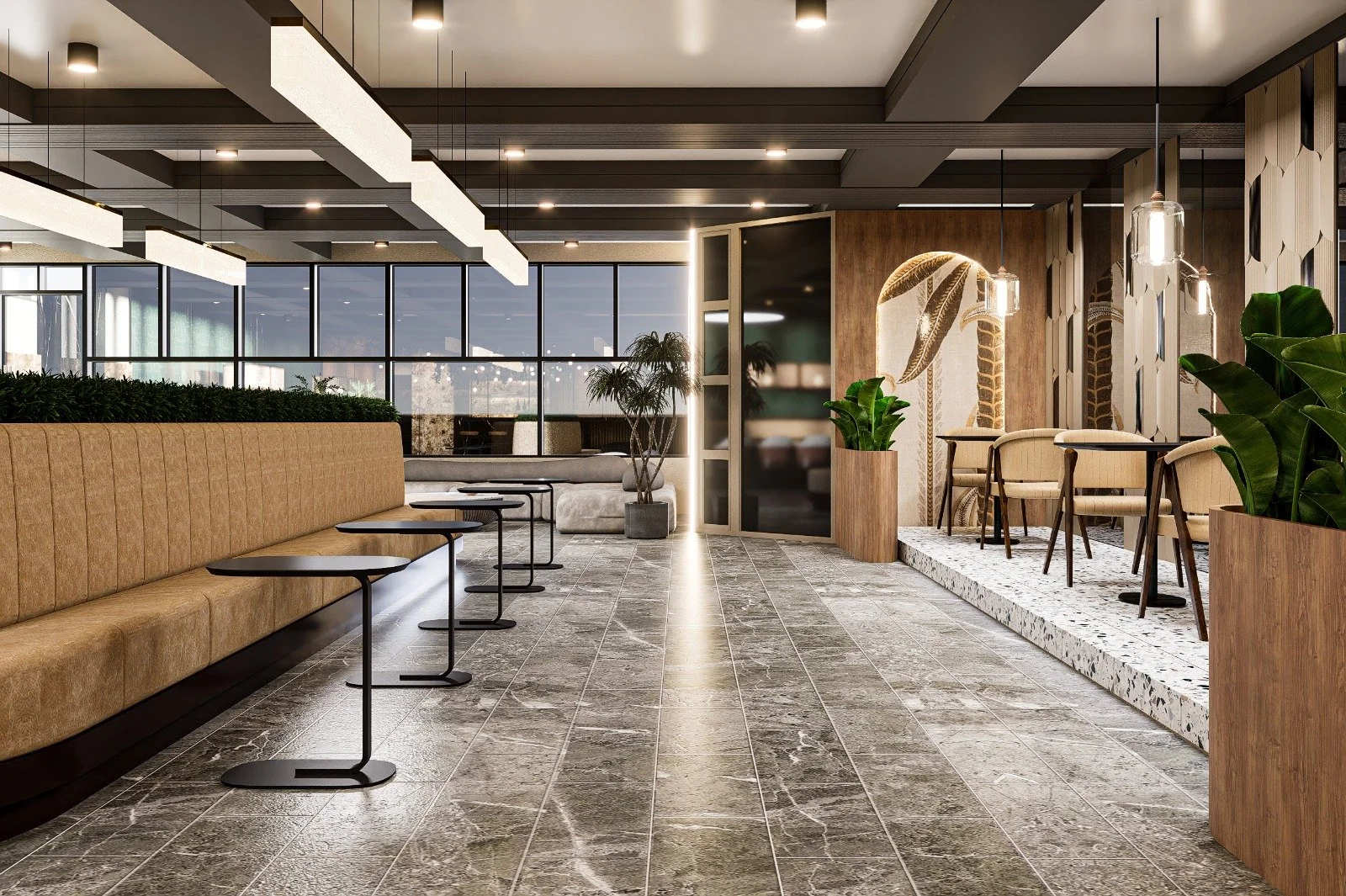
Lounge-style areas for longer stays
Intimate dining pockets for quieter conversations
A visually dominant bar area that anchors the space
The circulation paths were carefully planned to balance efficiency and comfort—for guests and staff alike.
Good restaurant design is invisible when done right. Guests don’t consciously notice it, but they feel it.
Keywords integrated: restaurant layout design, space planning, hospitality architecture.
Materiality: Where Design Becomes Tangible
Material selection was central to the identity of Rail.
We explored a palette that blends natural warmth with architectural clarity:
Natural wood tones to soften the industrial structure
Stone flooring and surfaces to ground the space in authenticity
Custom 3D wall panels to add depth and rhythm
Textured wallpaper to introduce narrative and movement
Upholstered seating that balances comfort with durability
The combination of blue-green tones, layered neutrals, and organic textures allowed us to create visual richness without visual noise.
Every material was selected not only for its appearance, but also for longevity and sustainability—an essential factor in contemporary commercial design.
Keywords integrated: sustainable interior design, commercial materials, restaurant finishes.
Lighting: The Silent Architect of Atmosphere
Lighting is one of the most powerful tools in hospitality design, yet one of the most misunderstood.
At Rail, lighting was designed in layers:
Ambient lighting to create a welcoming overall mood
Decorative lighting that functions as visual landmarks
Task lighting for operational efficiency
Accent lighting to highlight architectural elements and textures
The result is a space that transforms throughout the day—bright and energetic during lunch hours, intimate and atmospheric in the evening.
Lighting is not decoration. It is architecture made of light.
Keywords integrated: restaurant lighting design, ambient lighting, hospitality lighting.
Custom Design: Where Identity Becomes Unique
A defining feature of Rail is the use of custom-designed elements:
Bespoke seating solutions tailored to the layout
Custom carpet and flooring patterns
Unique wall compositions combining wood, stone, and textured surfaces
Integrated greenery that softens geometry and adds life
Custom design is what separates memorable restaurants from generic ones.
It creates a visual signature that cannot be replicated.
Keywords integrated: custom restaurant design, bespoke interior design.
Designing for Emotion, Not Just Function
Beyond materials and layouts, the true success of a hospitality project lies in emotion.
Rail was designed to feel:
Comfortable without being casual
Sophisticated without being intimidating
Contemporary without being cold
In a city like Chicago—where diners are exposed to countless restaurant concepts—emotional connection is what drives loyalty.
Interior design becomes a silent partner in the business strategy.
Keywords integrated: guest experience design, hospitality branding.
Why Projects Like Rail Matter
Restaurant design is not about trends. Trends fade. Concepts evolve. Brands mature.
What remains is the quality of the spatial experience.
Rail is a project that demonstrates how thoughtful design can transform a restaurant into a destination—not just a place to eat, but a place to belong.
And this is the essence of what we aim to create in every hospitality project: spaces that are not only visually compelling, but emotionally resonant and commercially sustainable.
Final Thought
Designing a fusion restaurant is not about mixing styles randomly.
It is about orchestrating contrasts with intention.
Rail in Chicago is a reflection of that philosophy—a space where architecture, materials, lighting, and identity converge into a cohesive narrative.
Because in hospitality, design is not decoration.
It is strategy, psychology, and storytelling—built into space.
Year Completed: 2025